A Reflection on Loss, Documentation, and What Remains
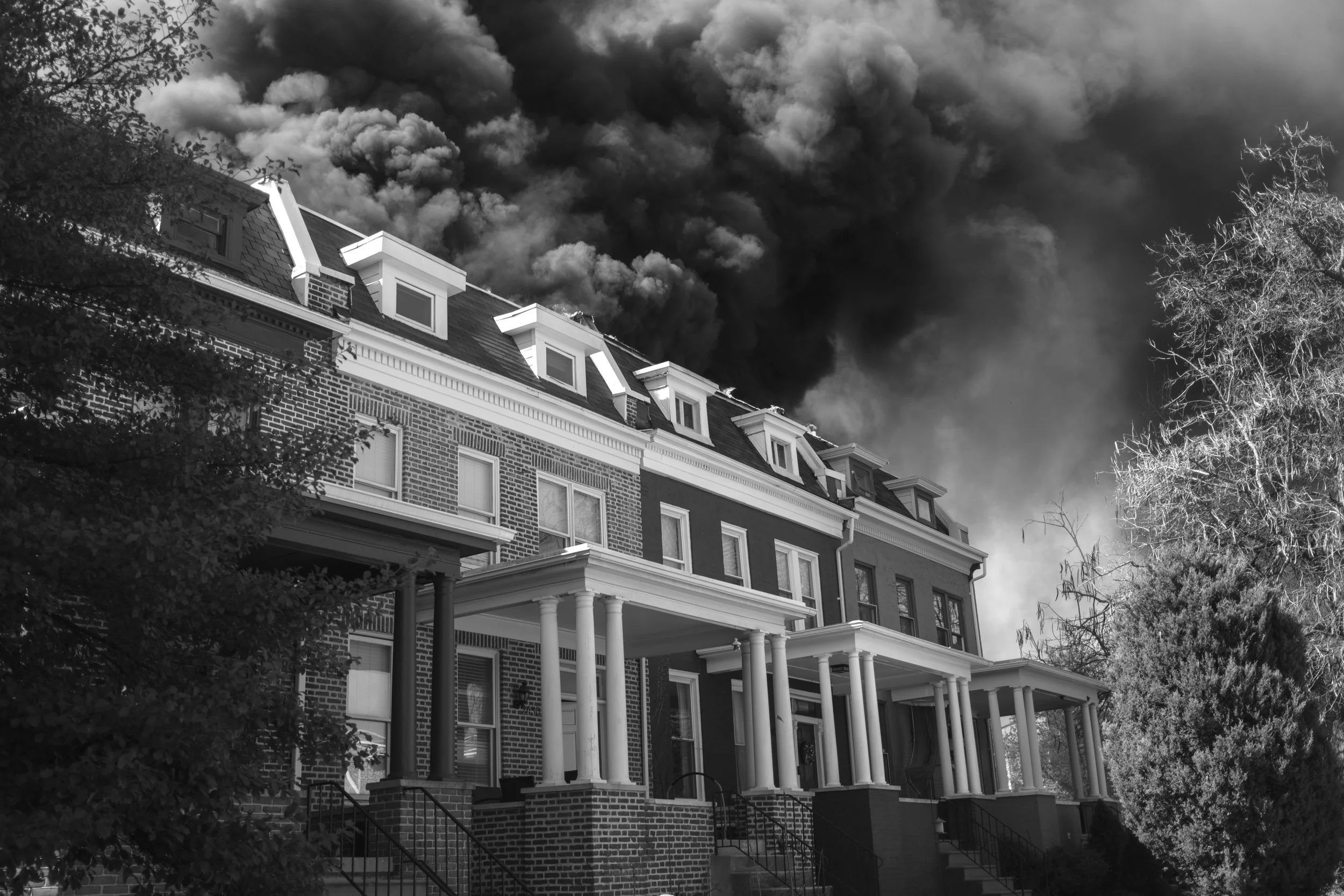
There is a language to documenting things —distance, framing, light.
A way of turning reality into something you can hold without being inside of it
this didn’t allow for that
On a quiet spring afternoon, I was in my kitchen when I heard something outside—sharp enough to pull attention. Out the window, smoke was already coming from the back of my neighbor’s house.
I called 911 at 14:47 and tried to describe what I was seeing as clearly as I could. After making sure my neighbors were out, I ran back inside to grab my camera.
There’s a small alley between our homes—
the only thing that kept this from becoming something larger.
On a block like this, fire doesn’t belong to one house.
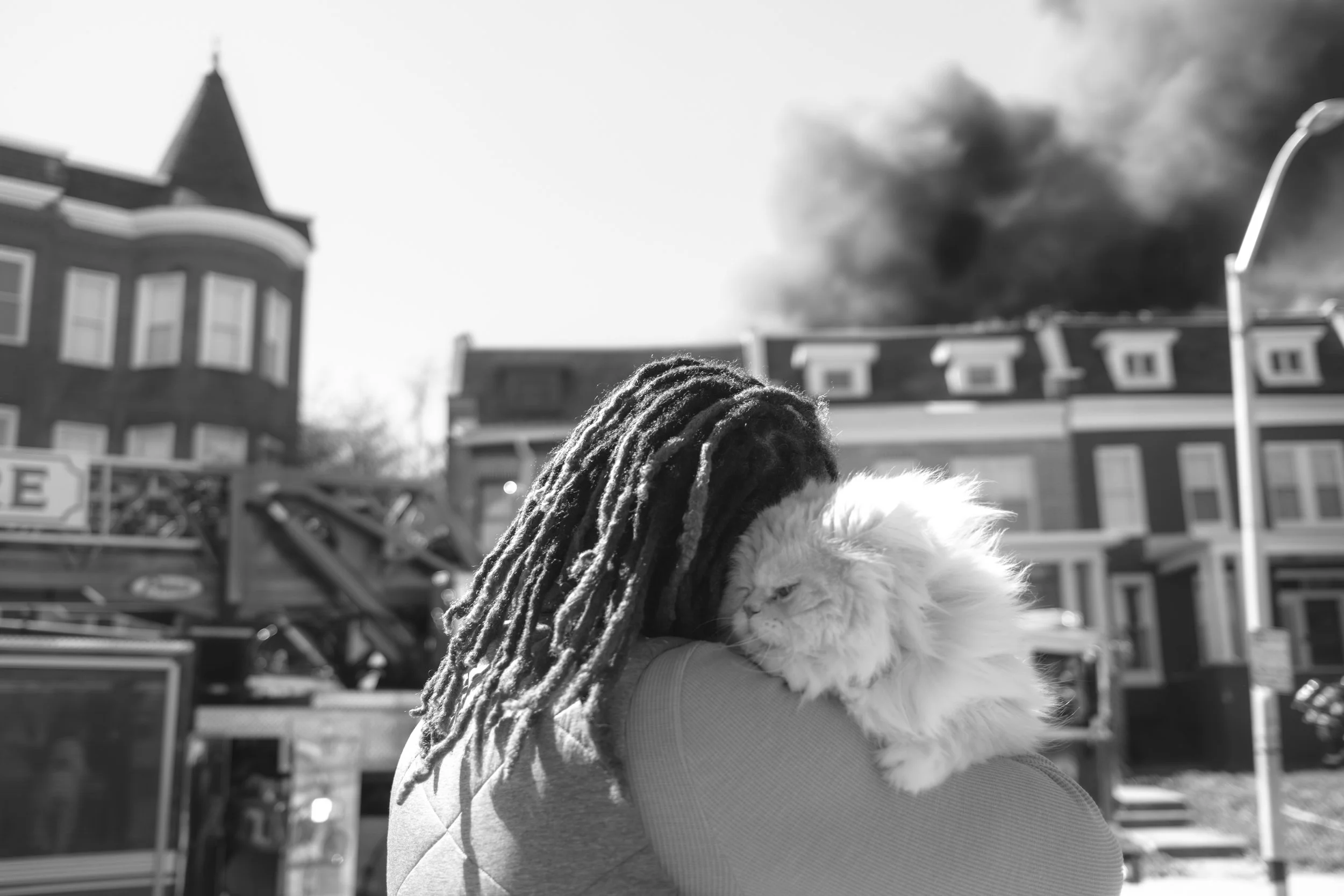
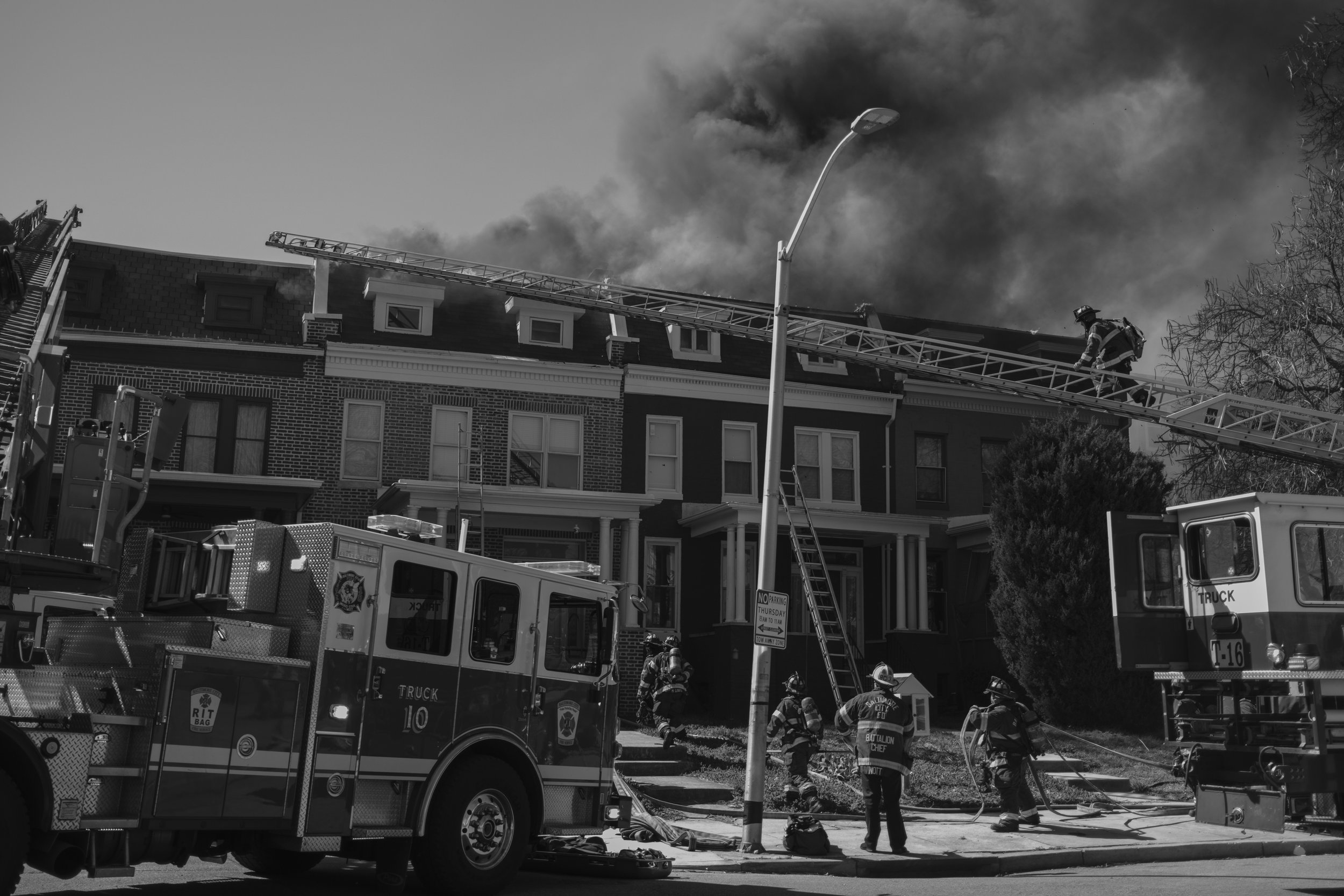
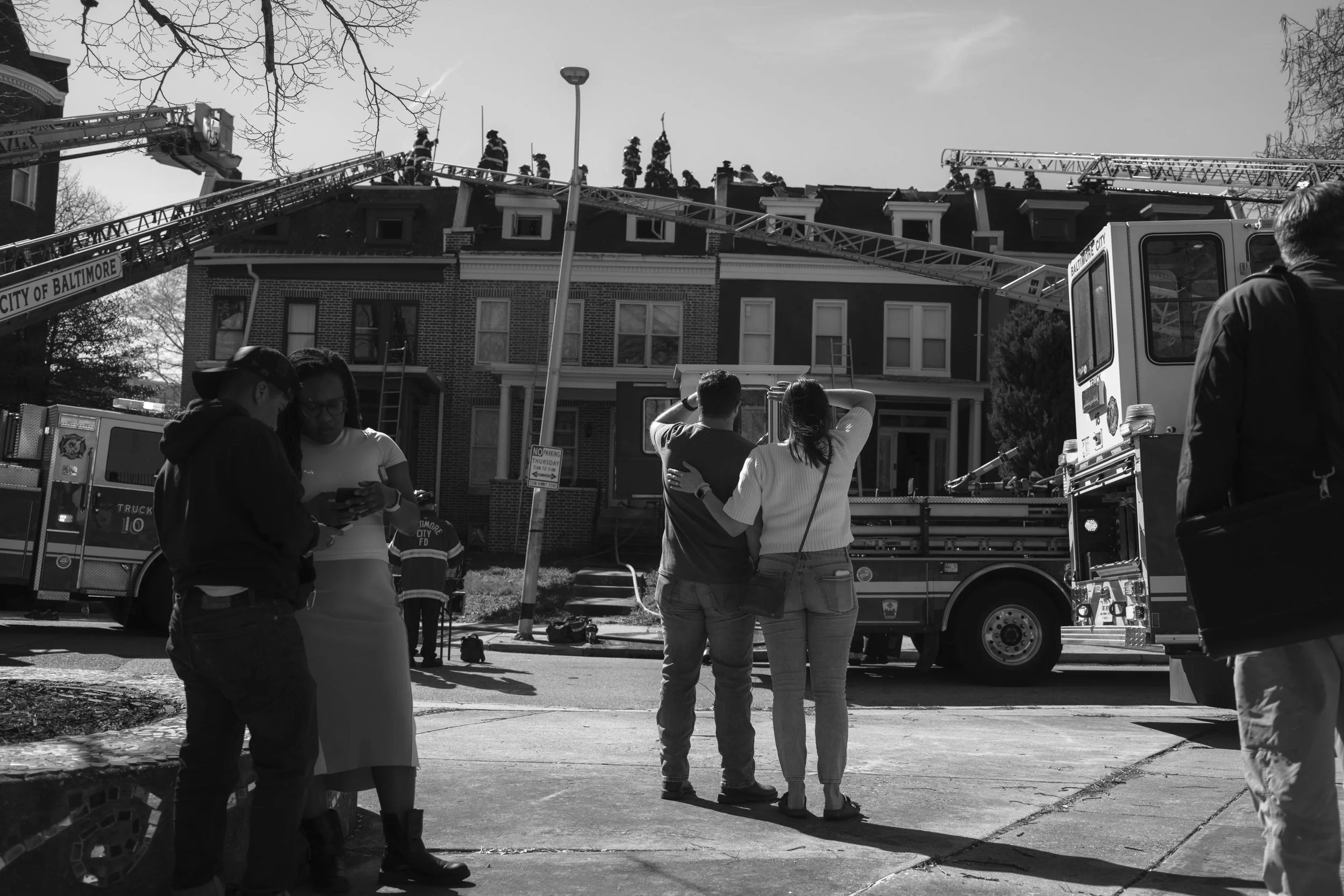
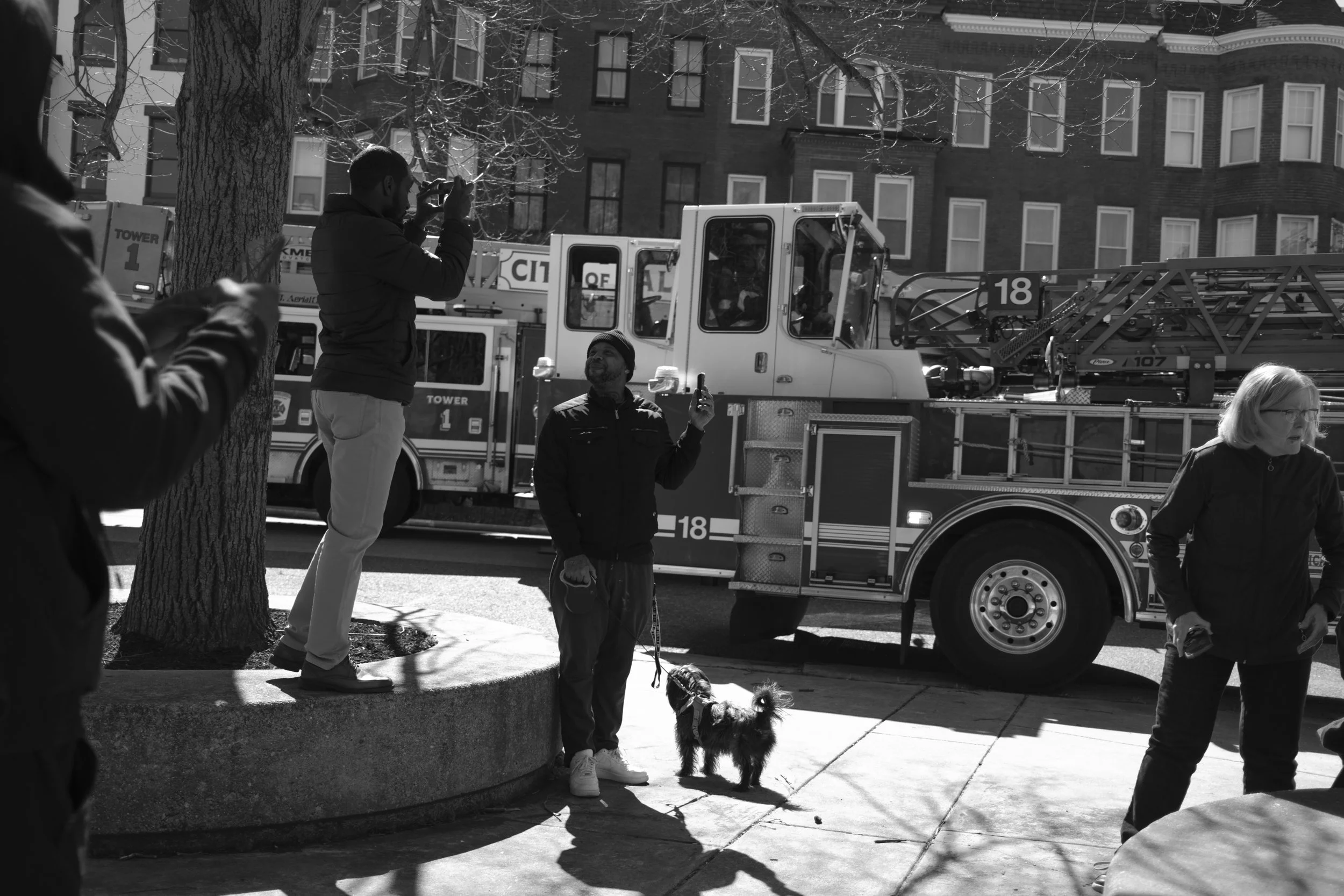
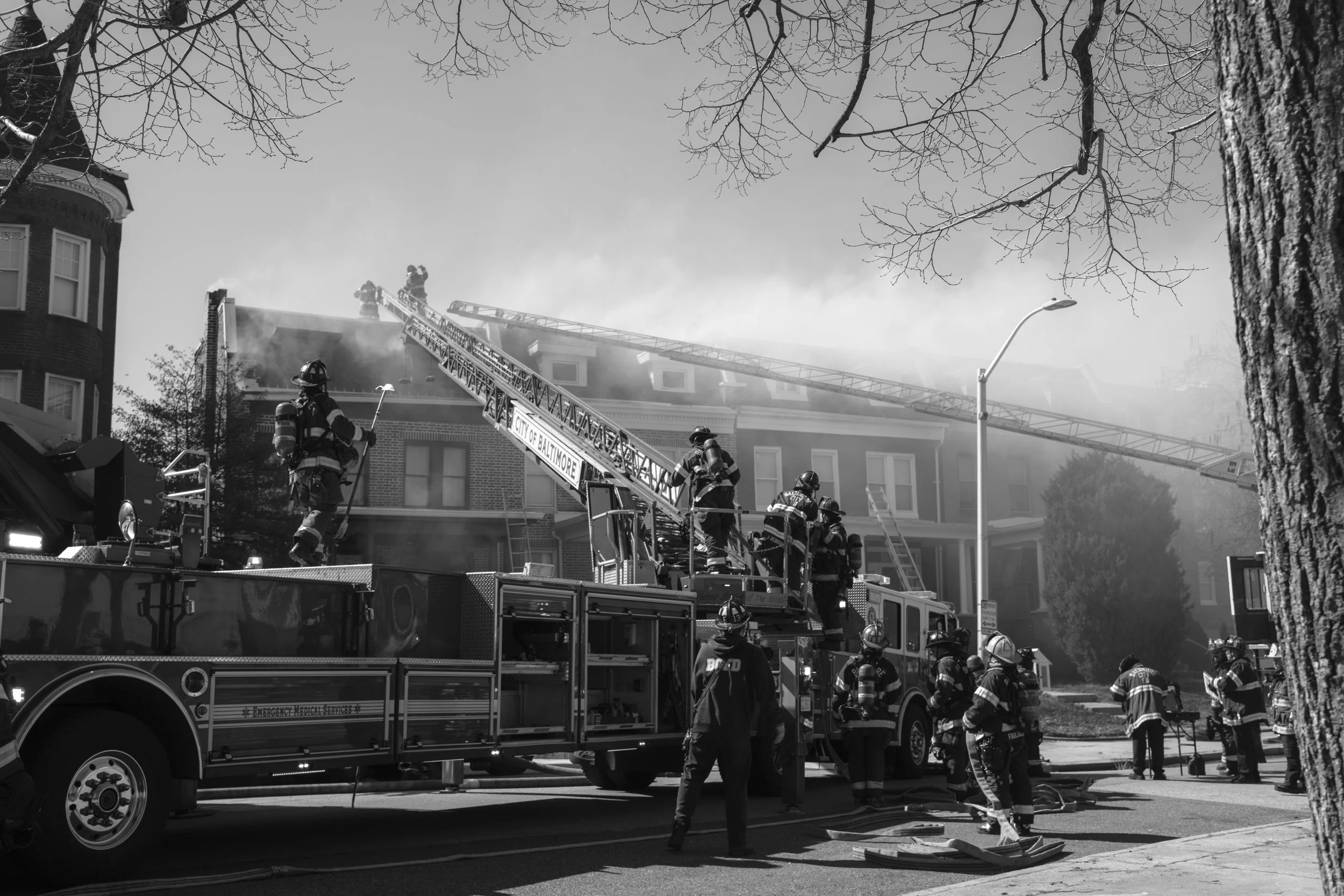
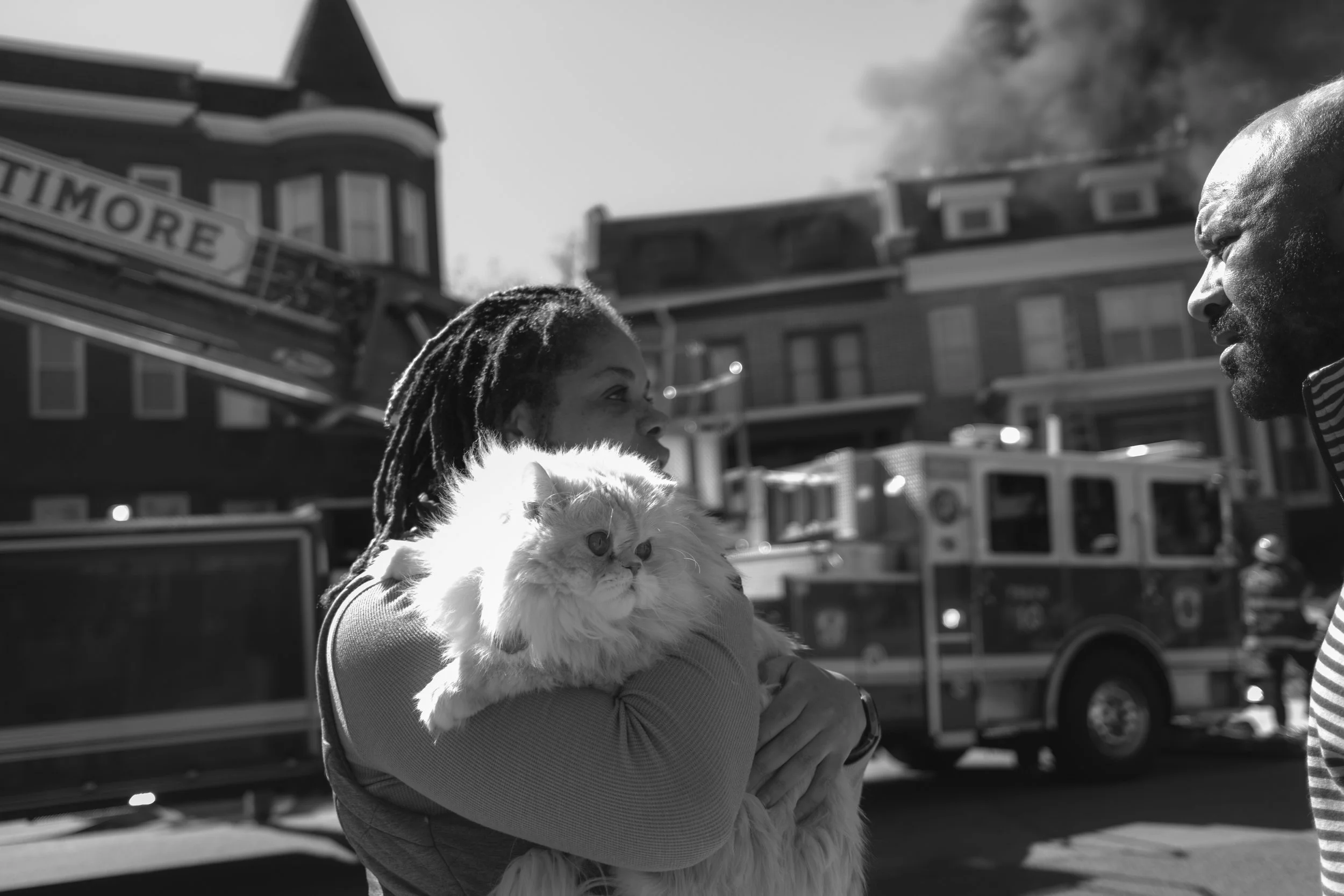
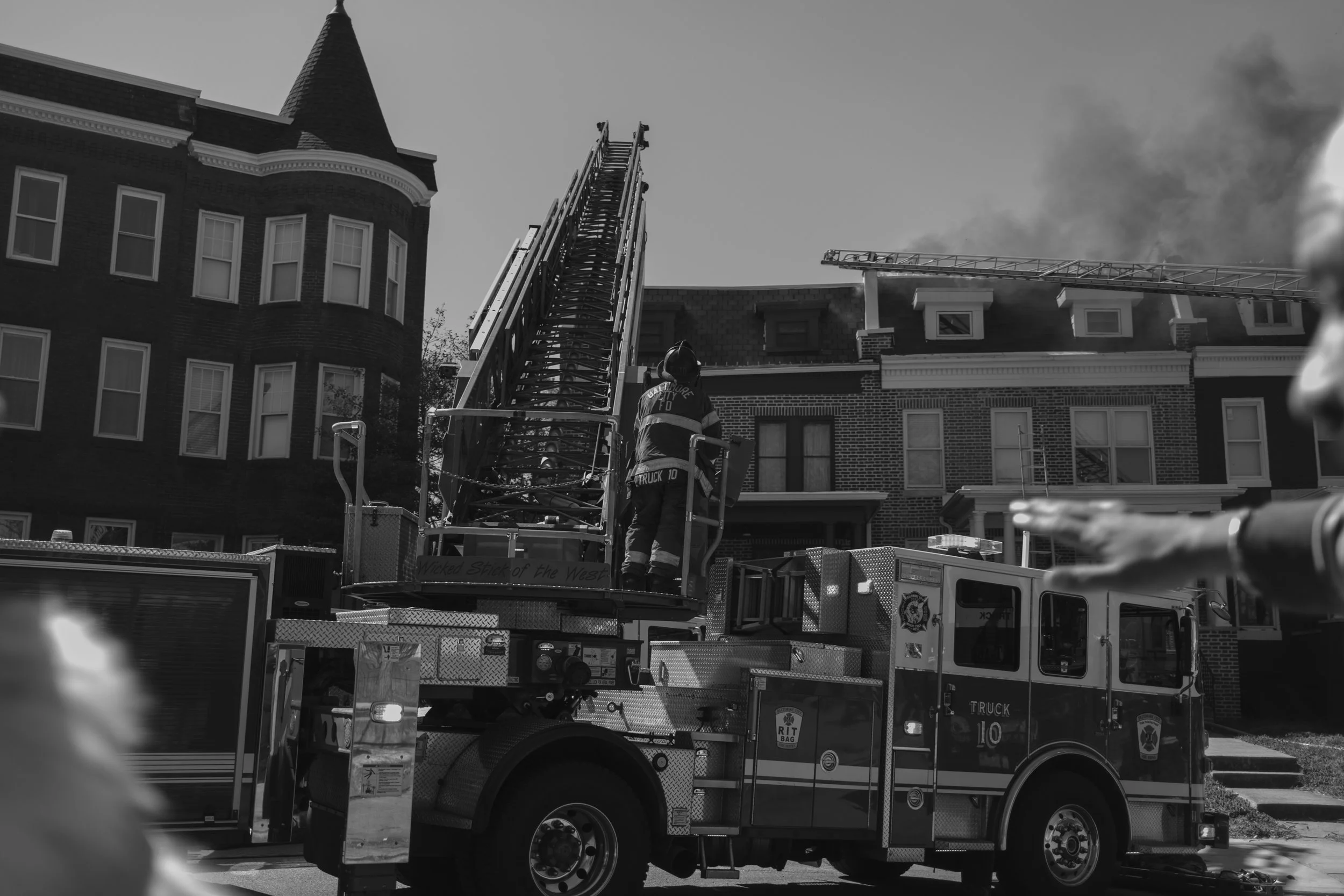
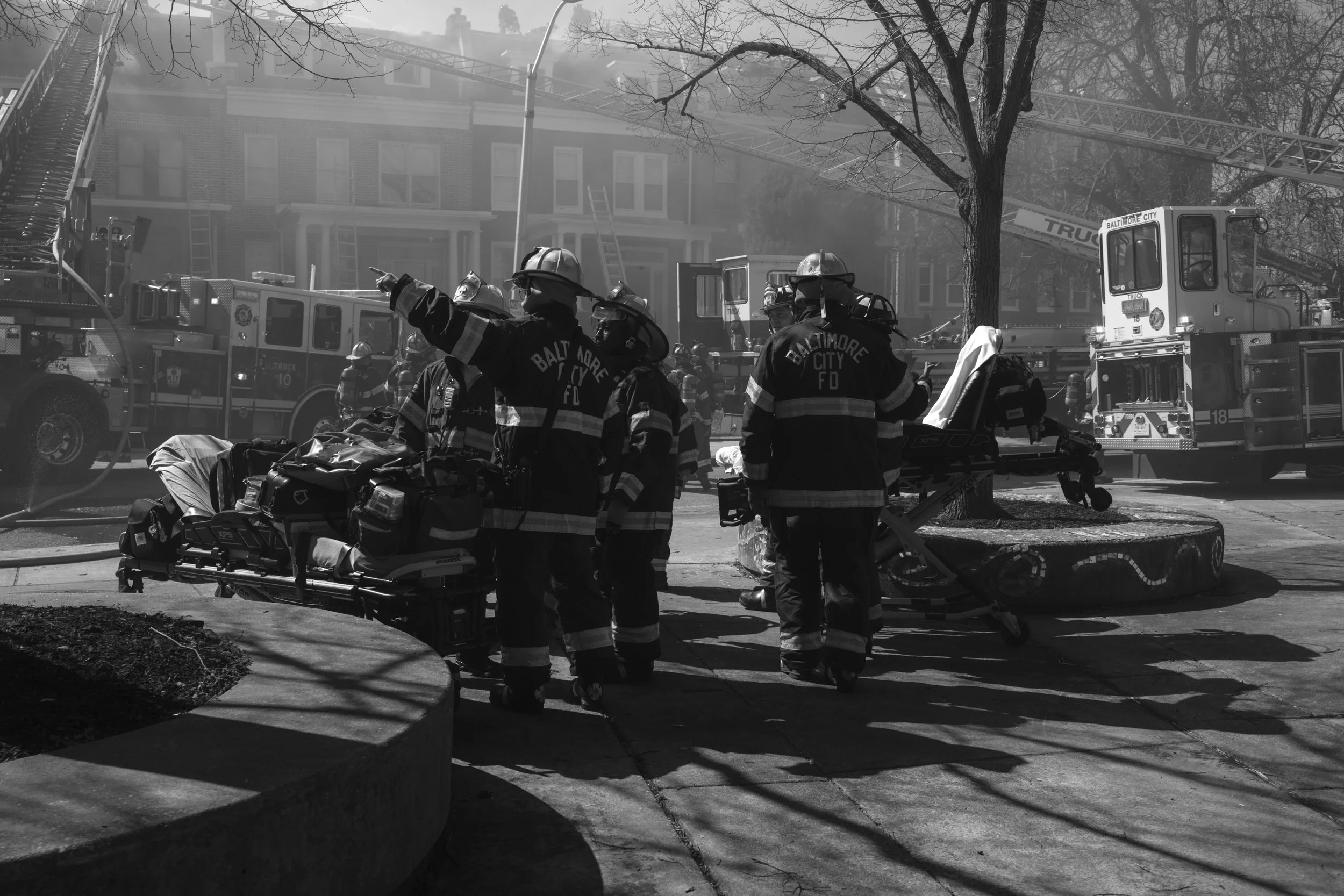
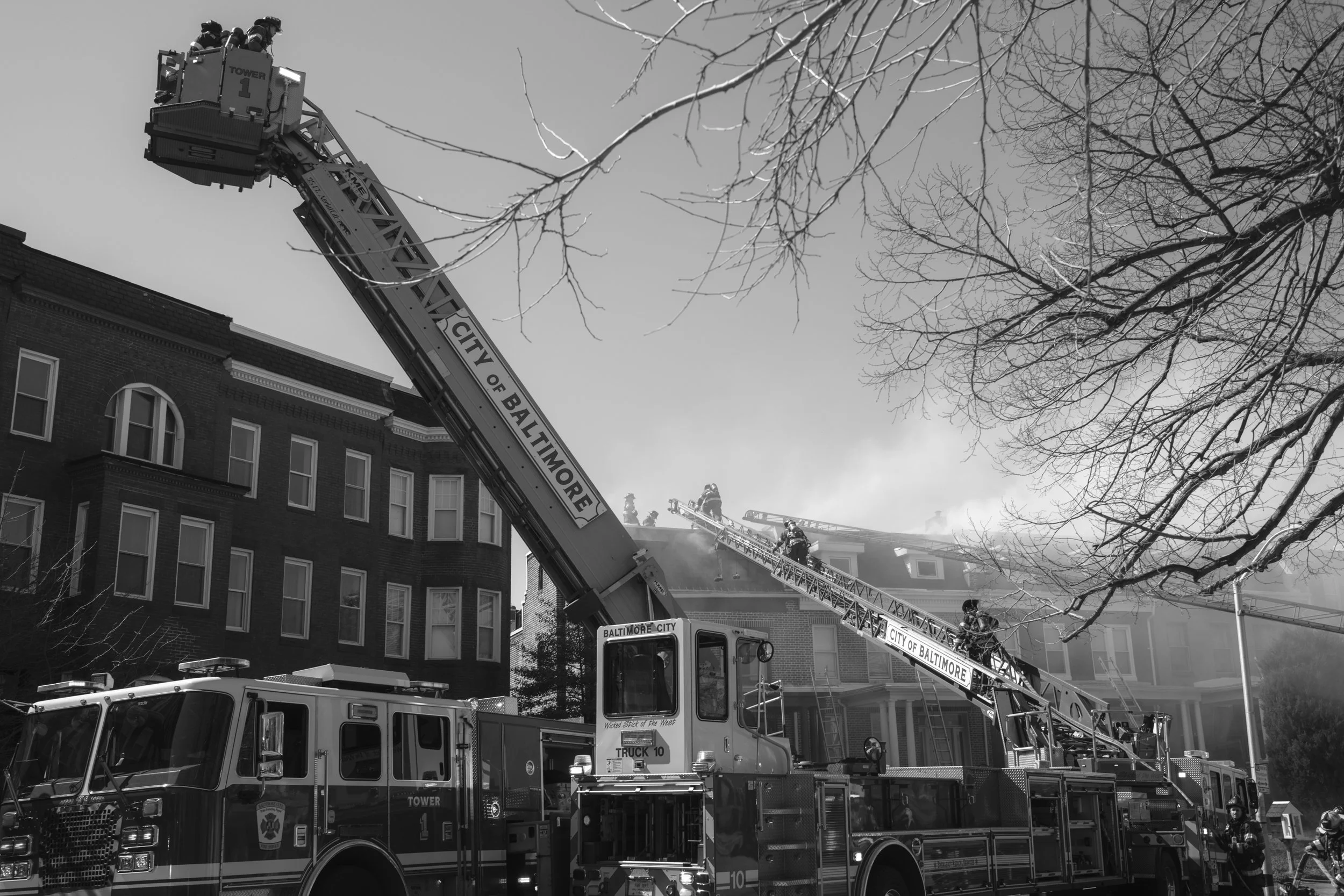
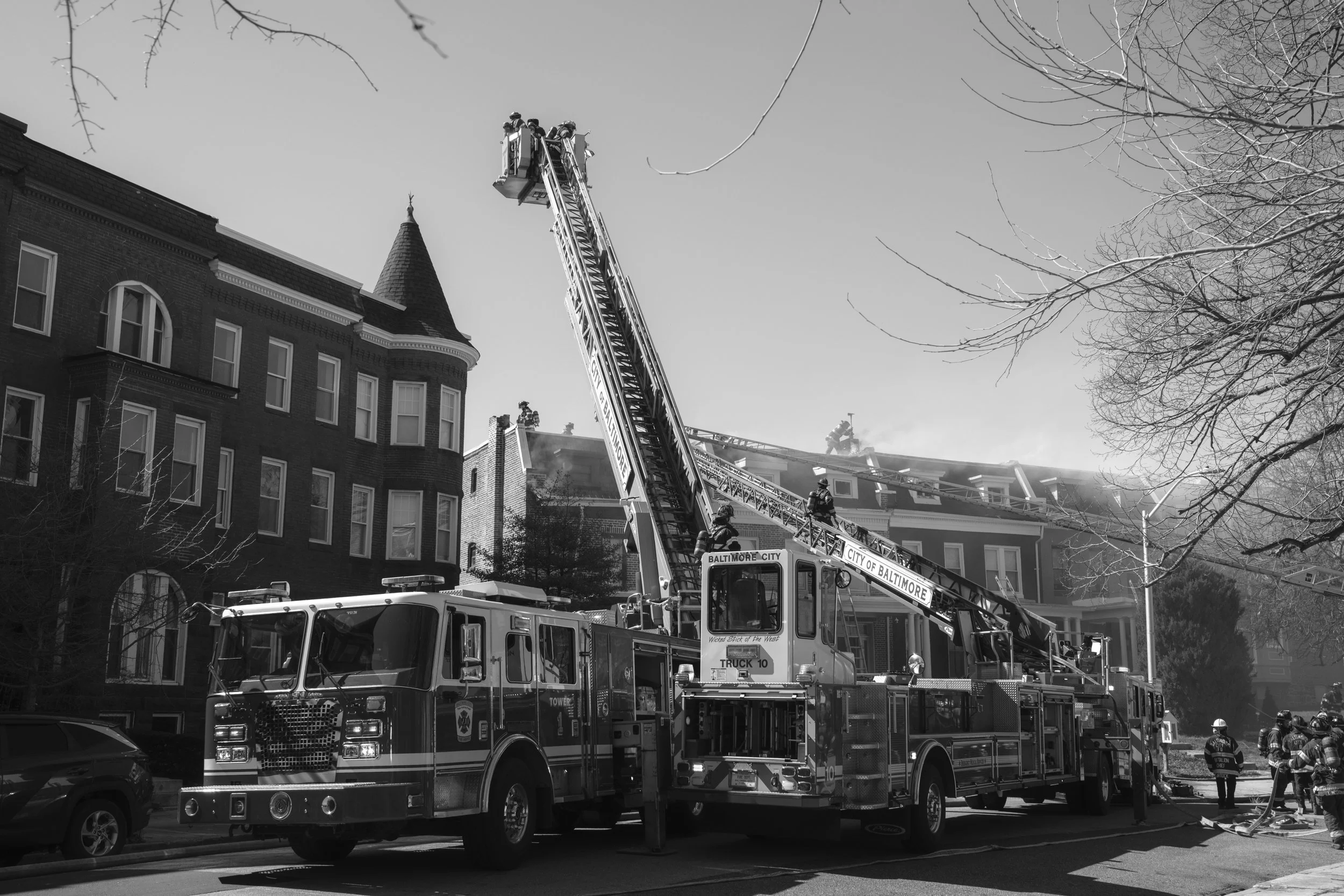
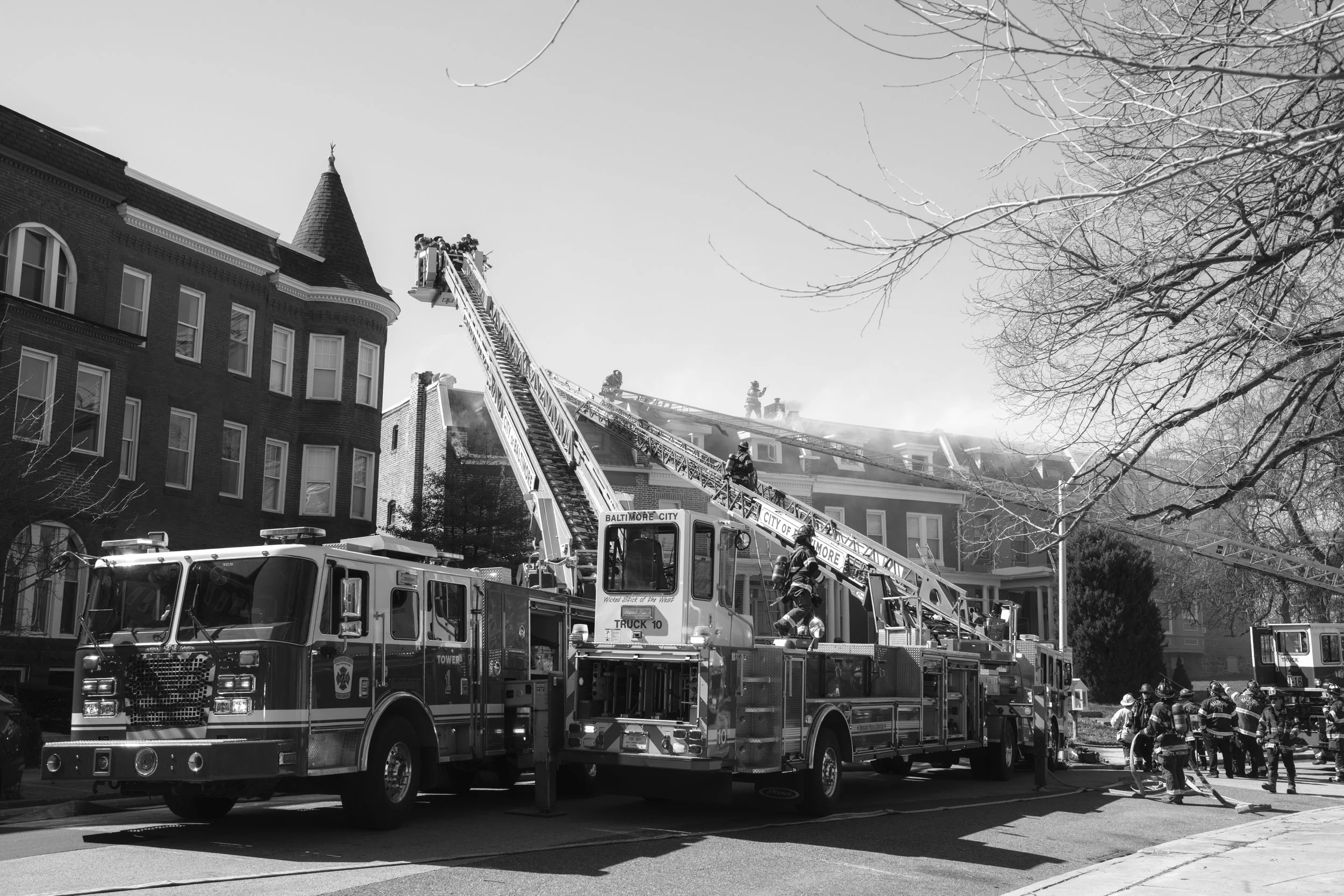
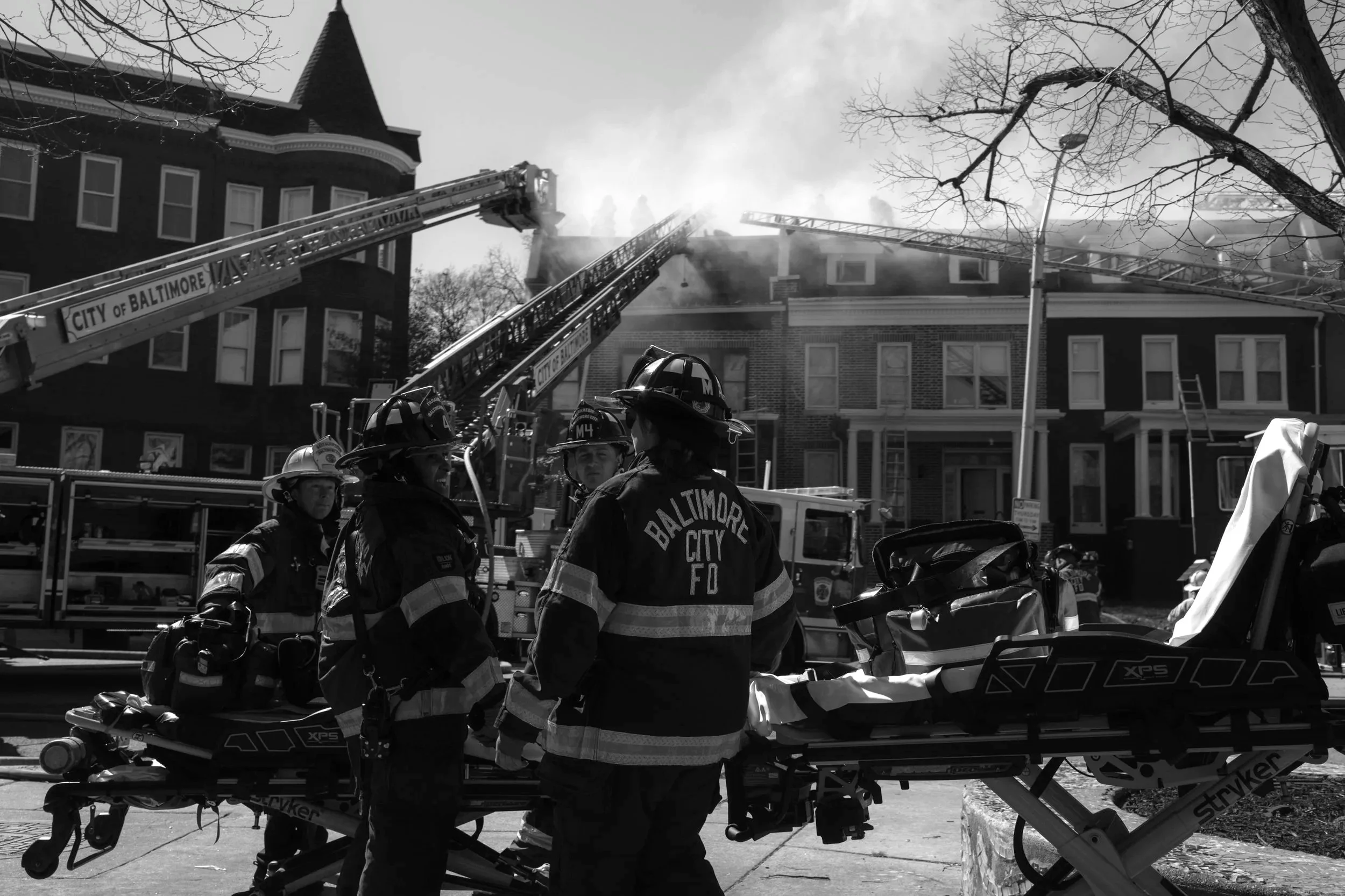
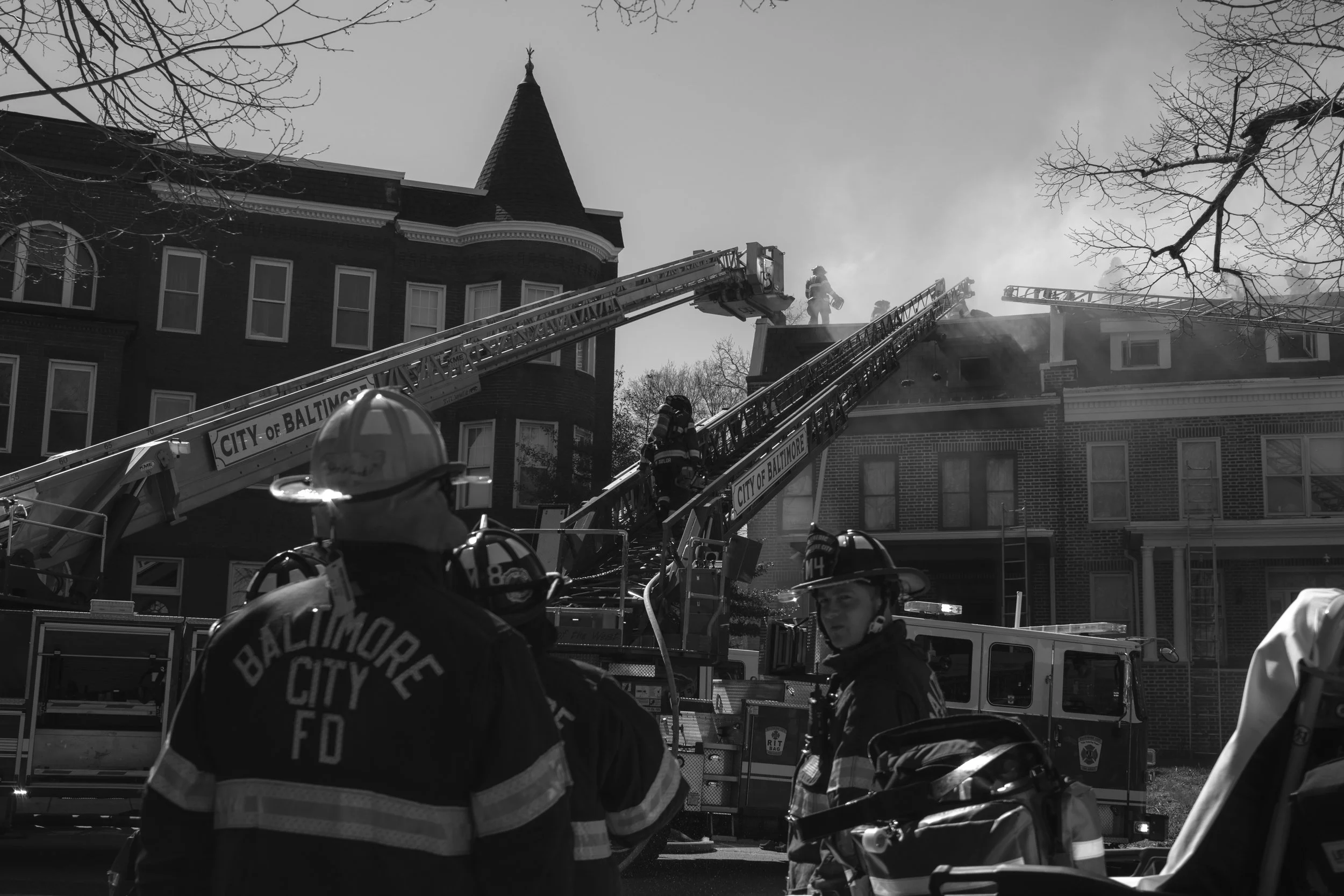
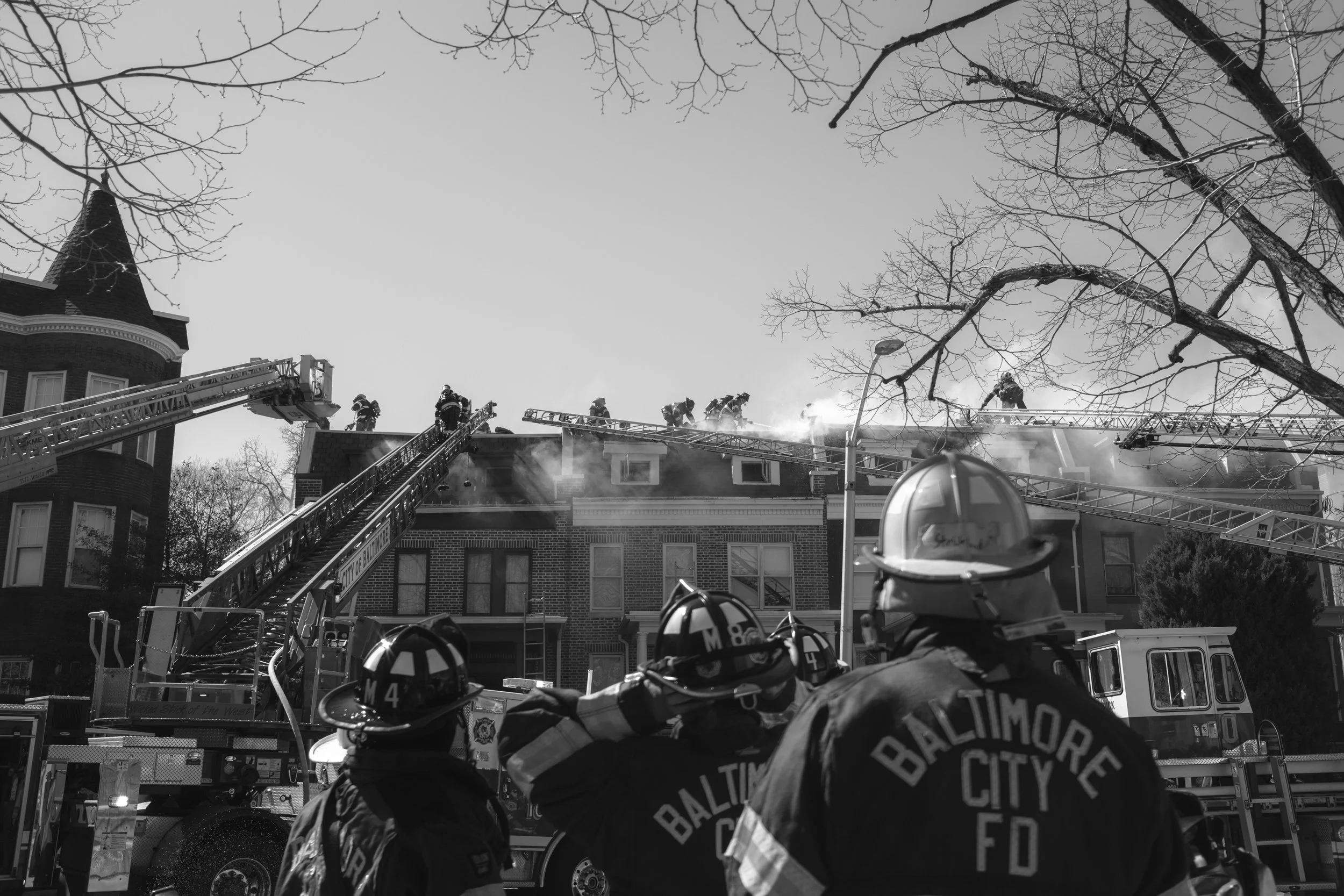
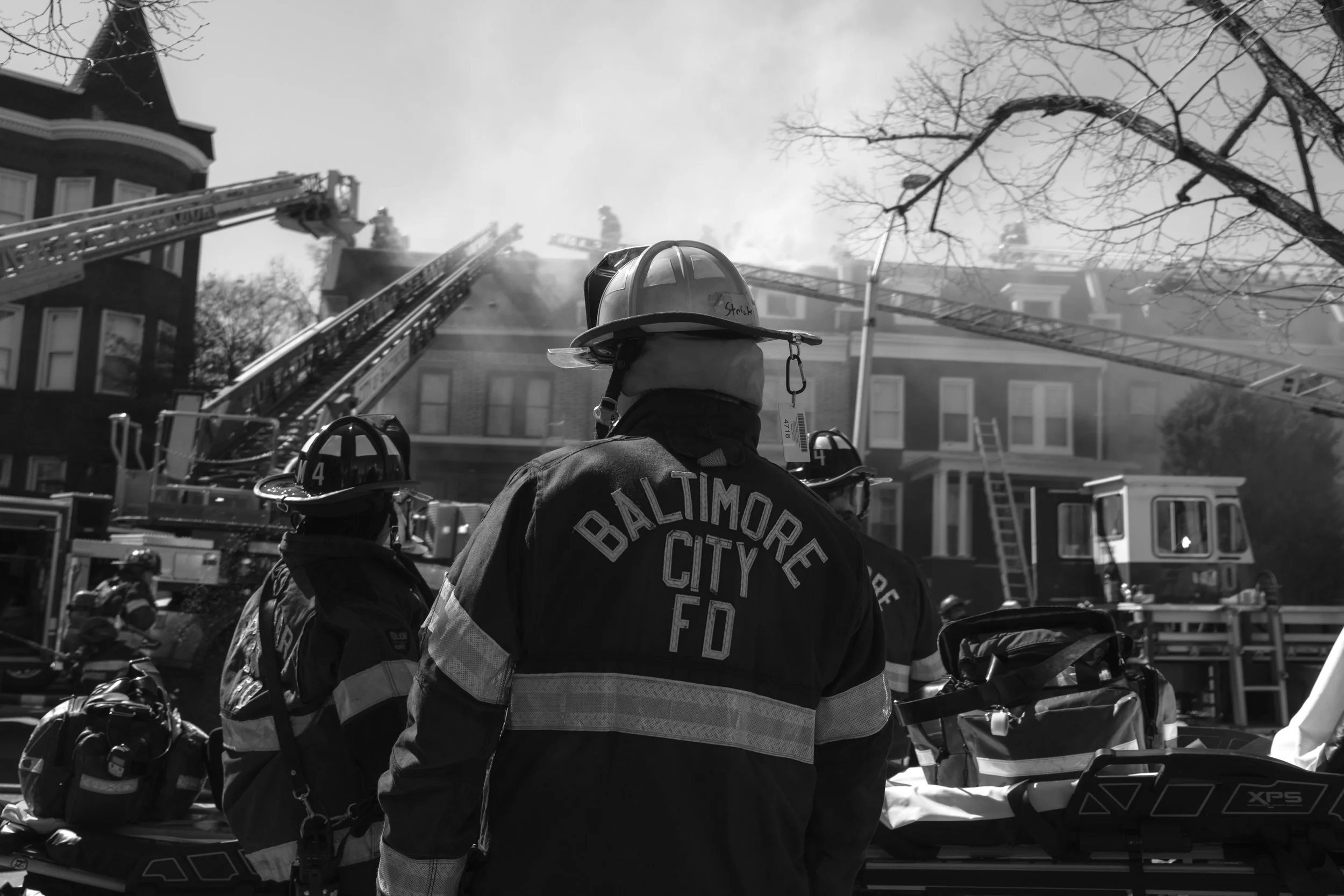
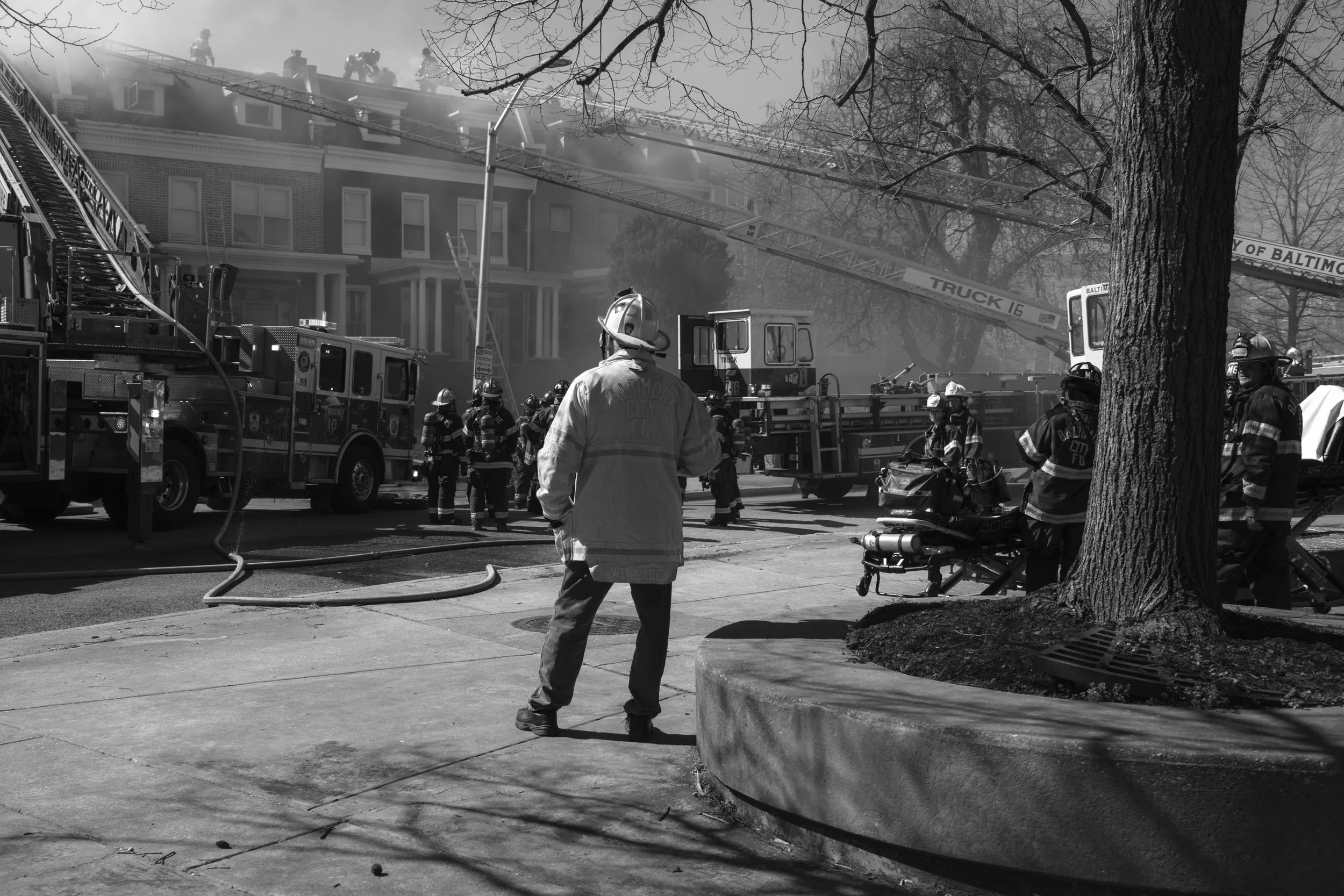
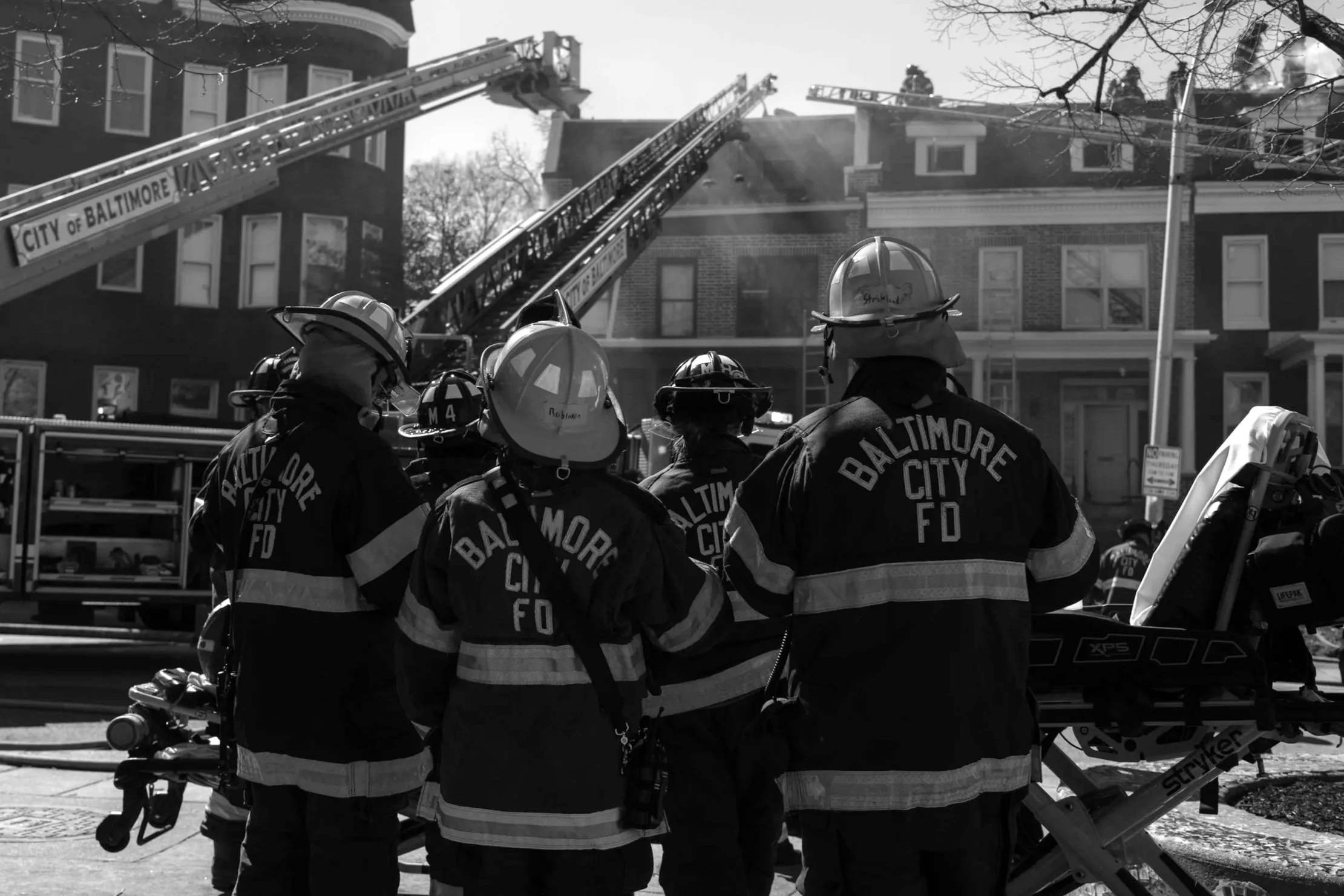
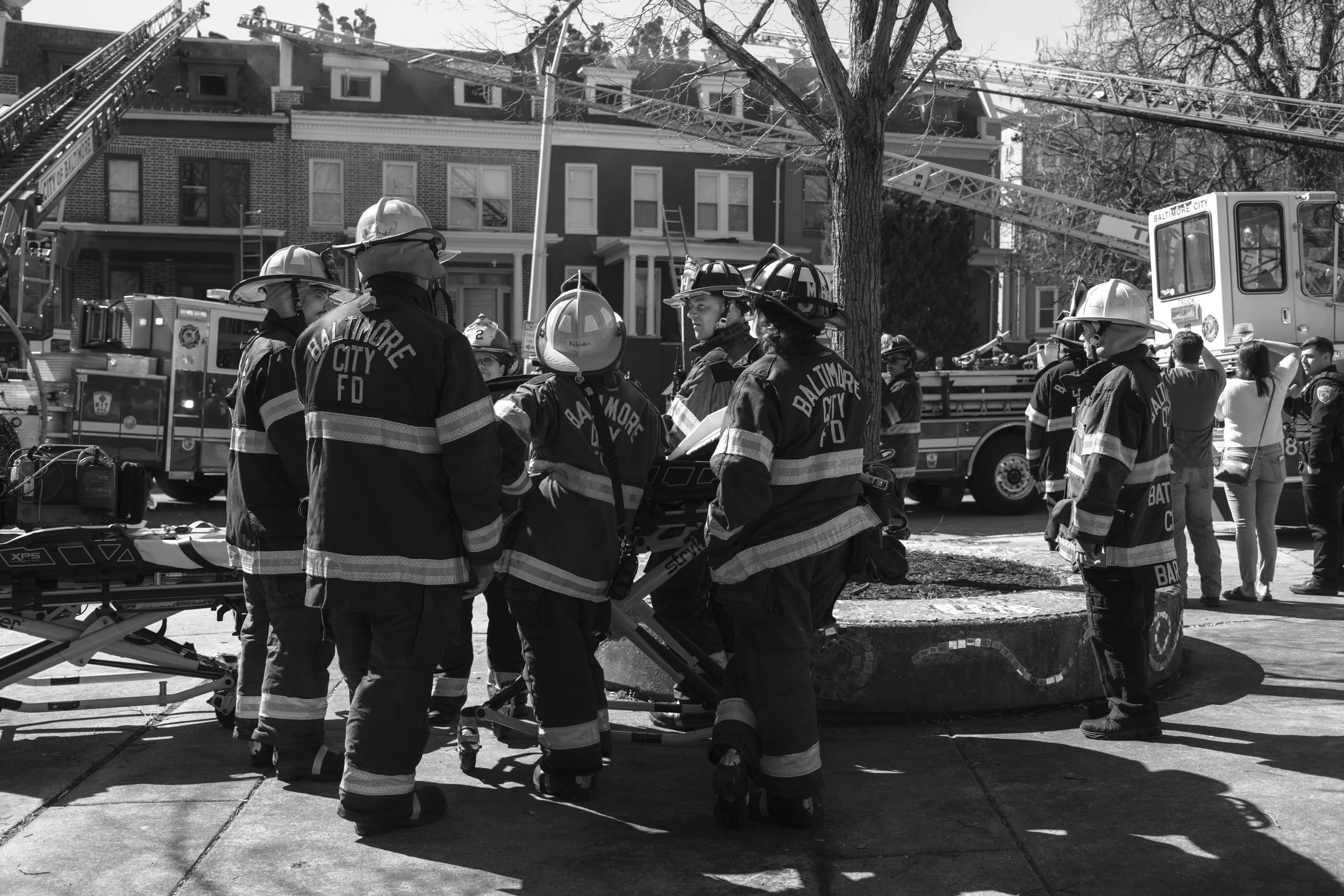
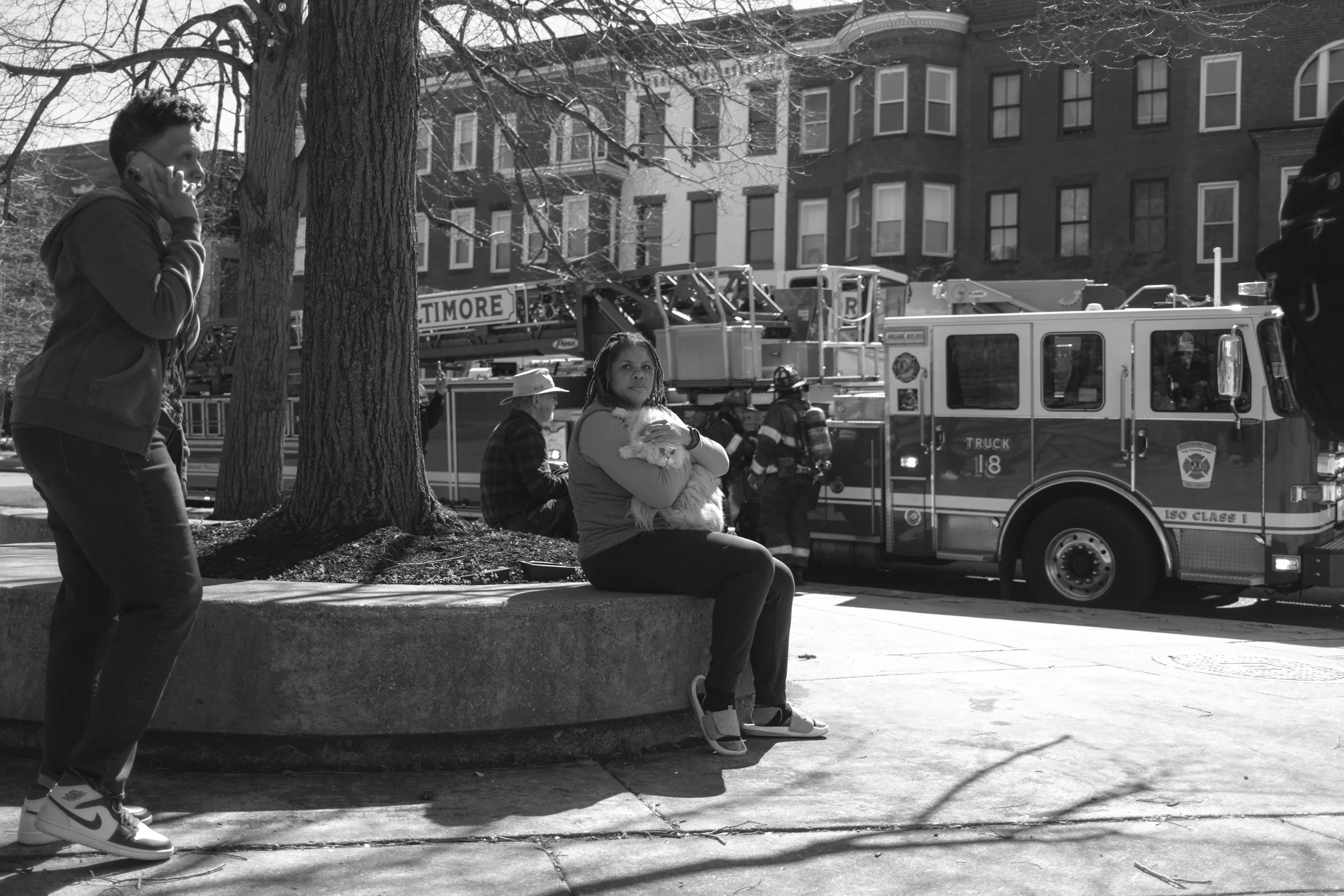
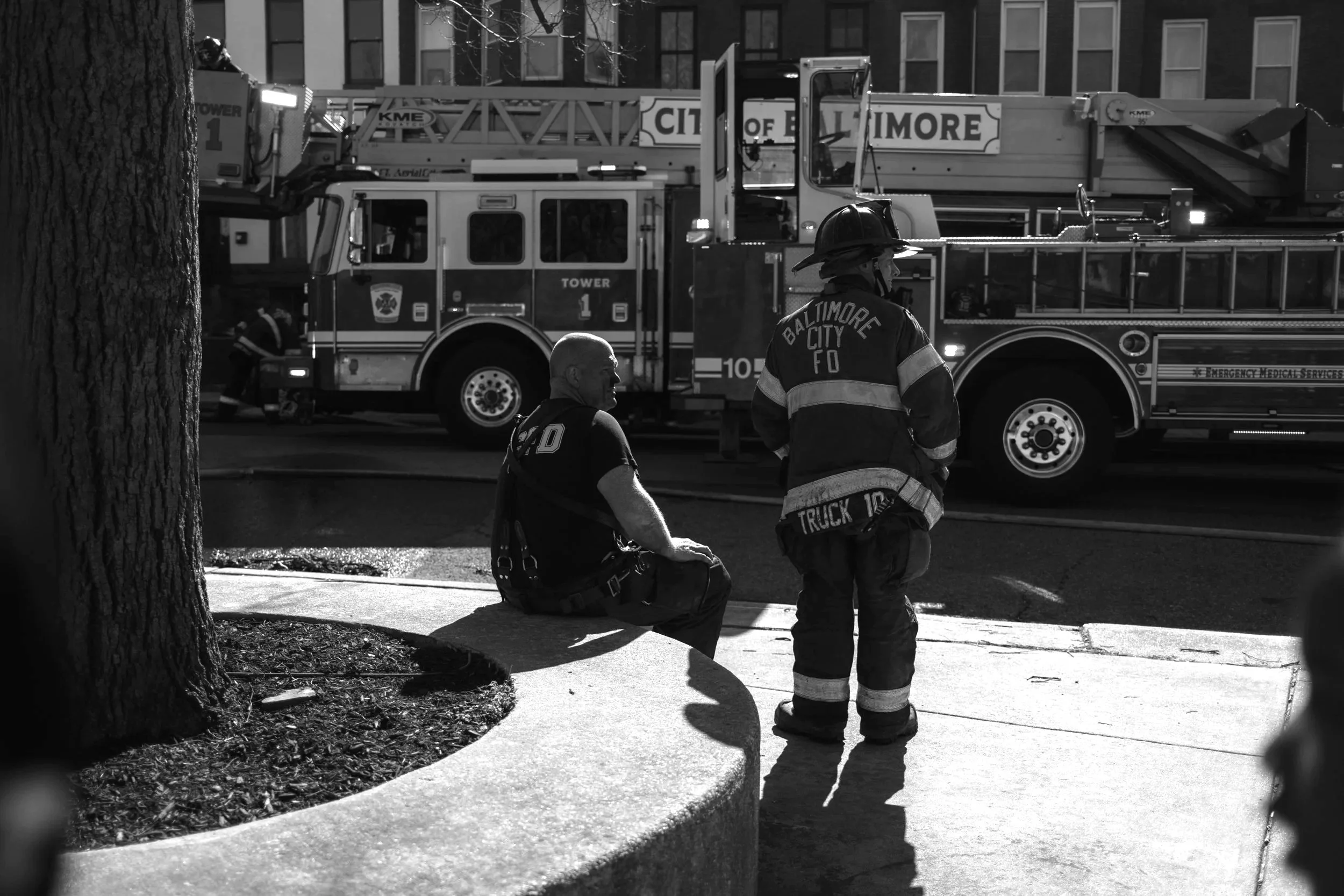
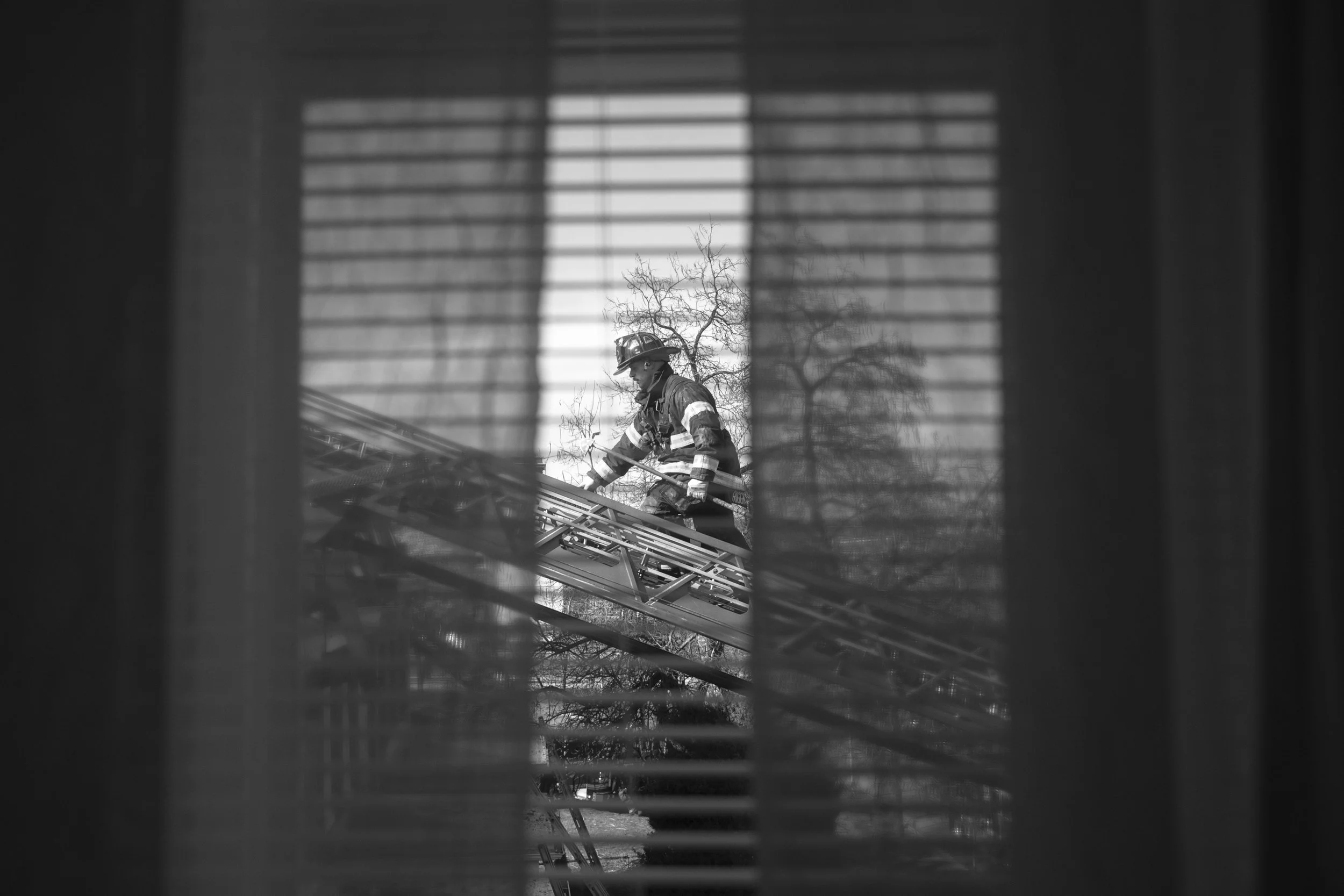
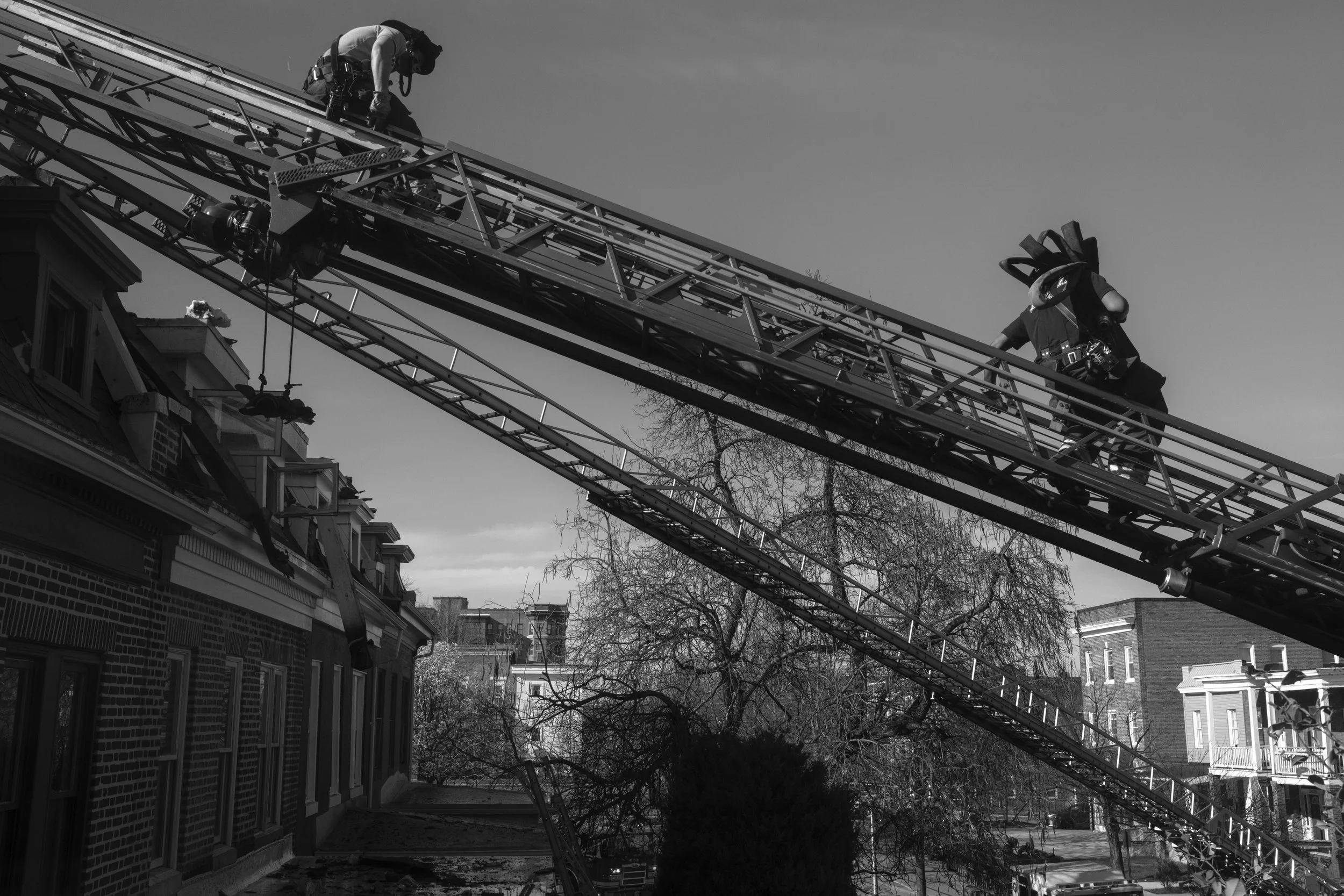
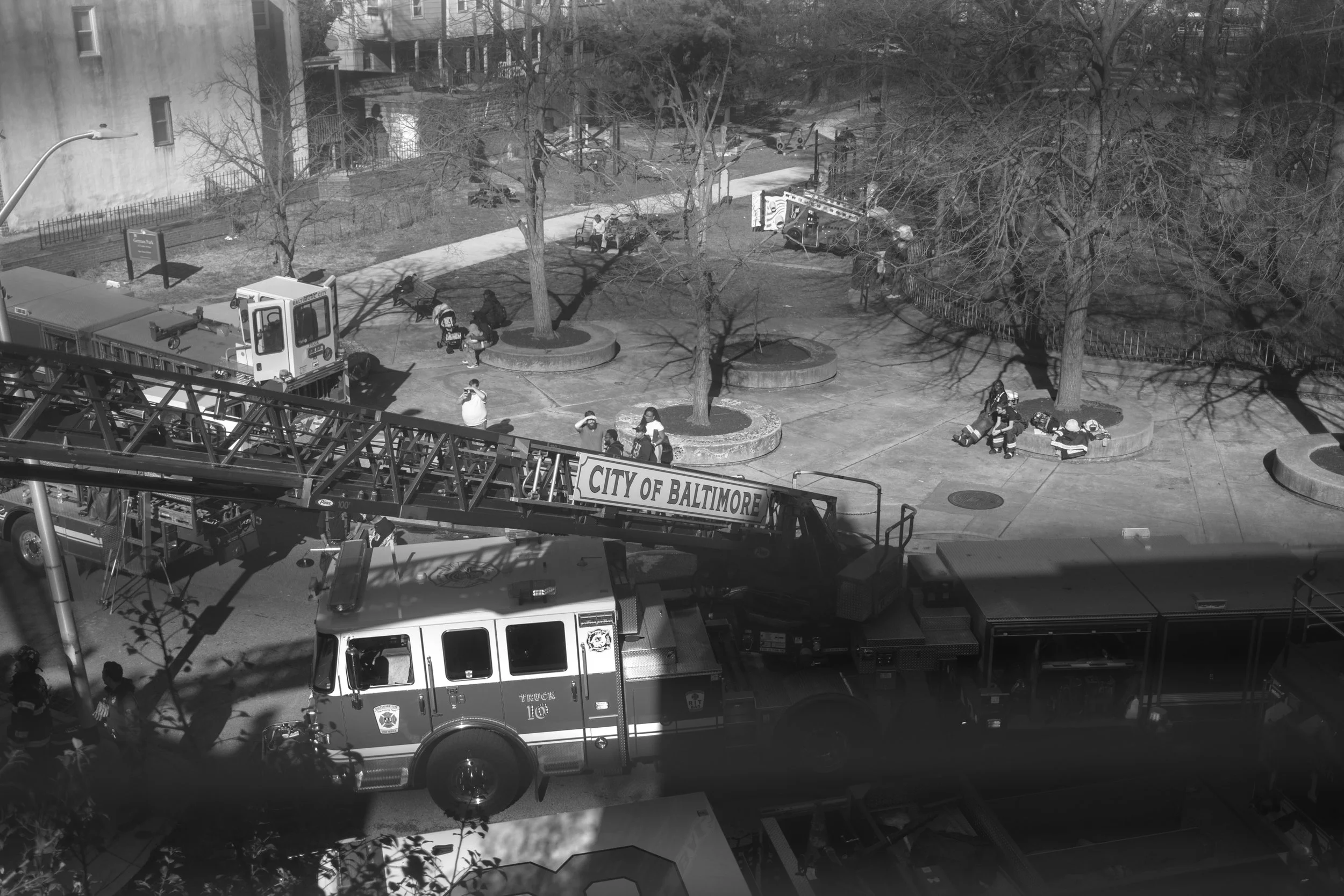
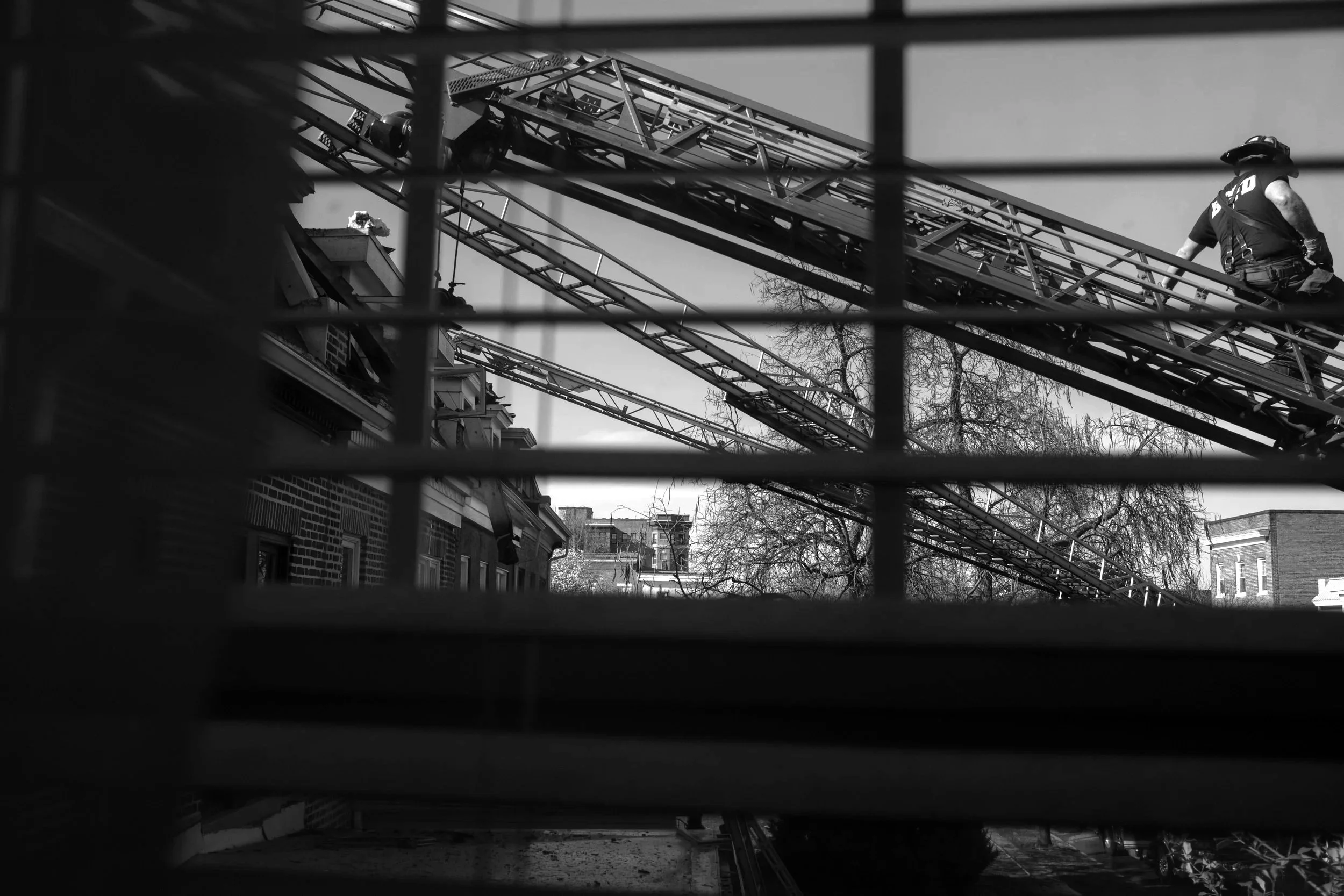
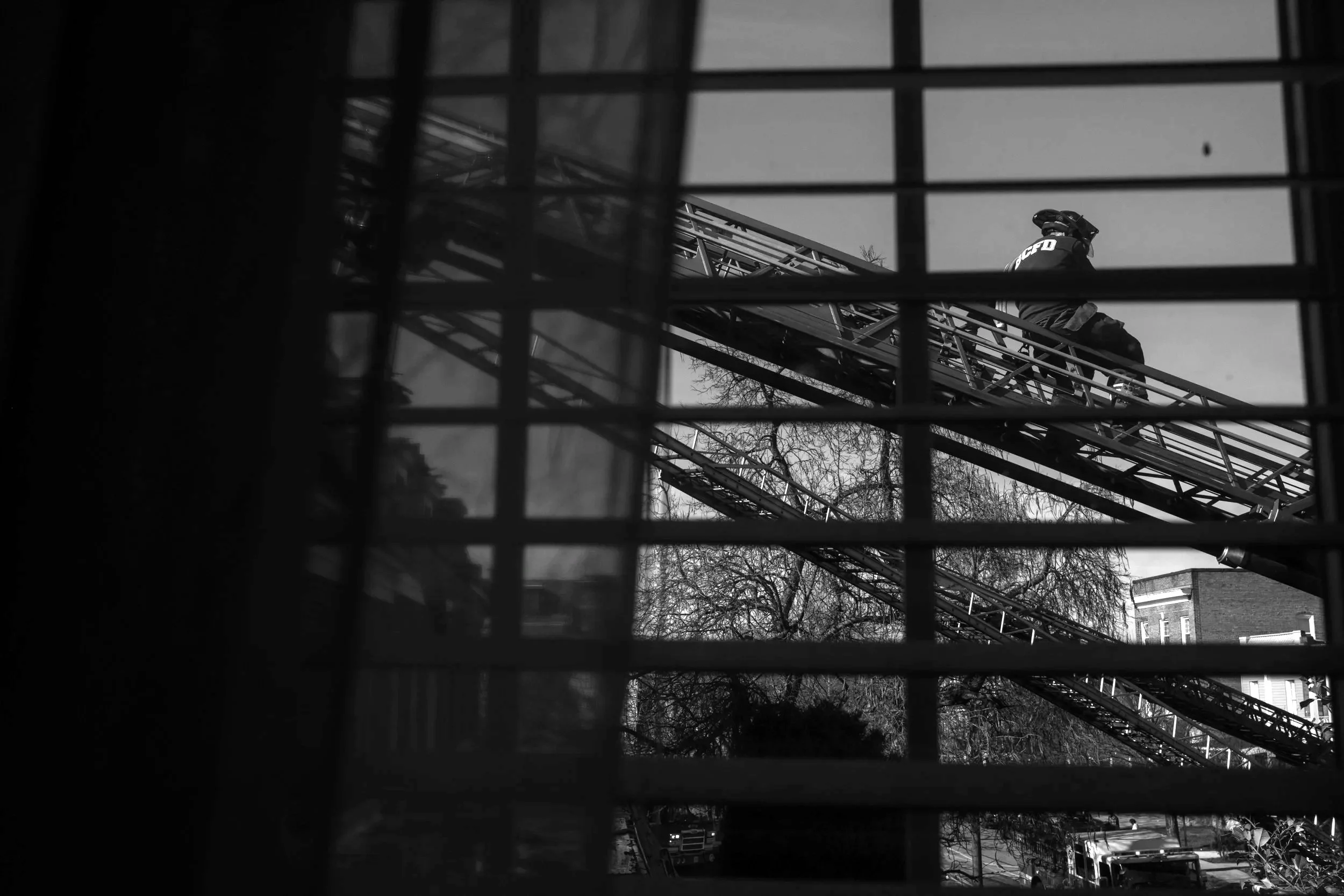
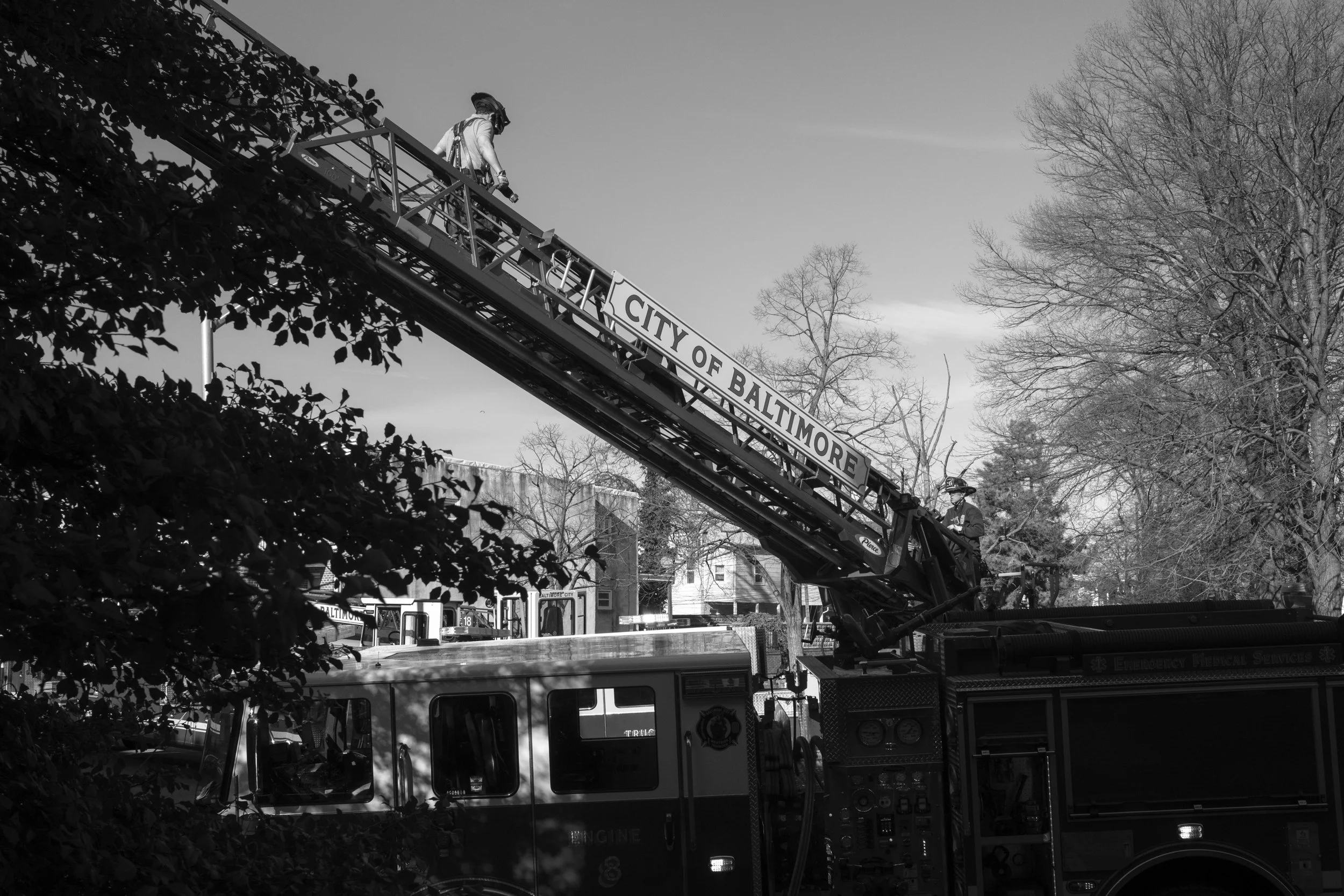
The trucks arrived within minutes. Within fifteen, the street was filled—ladders extended, hoses running, people moving with precision. It was coordinated in a way that felt almost unreal.
It reminded me of operations in the military—
when the real thing feels almost like a drill. Training and muscle memory taking over.
For those of us watching, it was chaos.
For them, it was routine.
And it happened on a clear spring day - quiet, bright, almost beautiful in a way that didn’t match what was unfolding.
An idyllic setting - so often the backdrop for violence.
I’ve been a photographer for over 20 years. I had my camera, but I didn’t want to use it. I’ve built a practice around seeing -finding the frame, recognizing the moment- without always taking the shot.
These aren’t distant subjects. These are neighbors.
I was also contemplating my own homes conflagration.
Still I shot. No hunting for frames. No searching. Just taking what was already there.
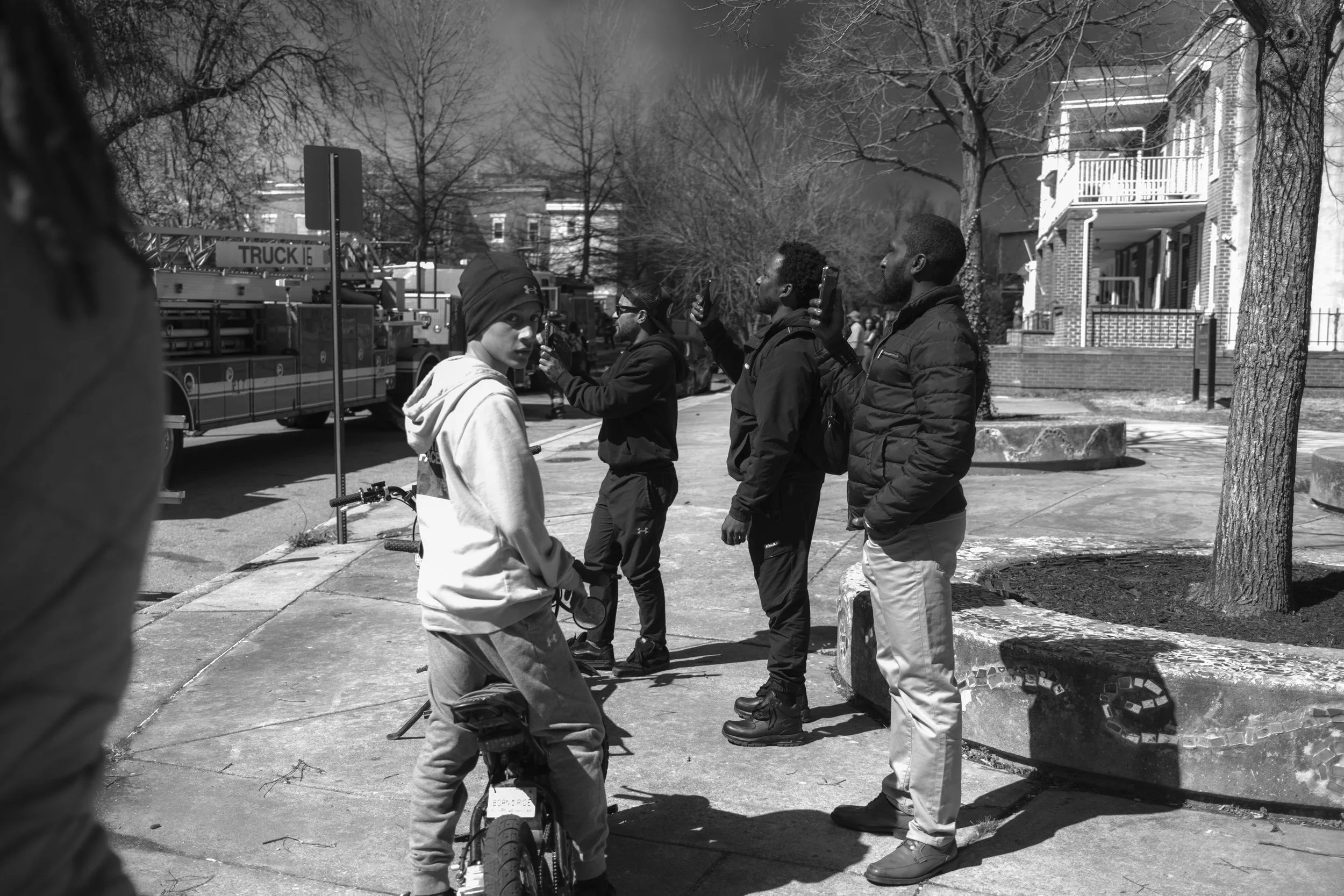
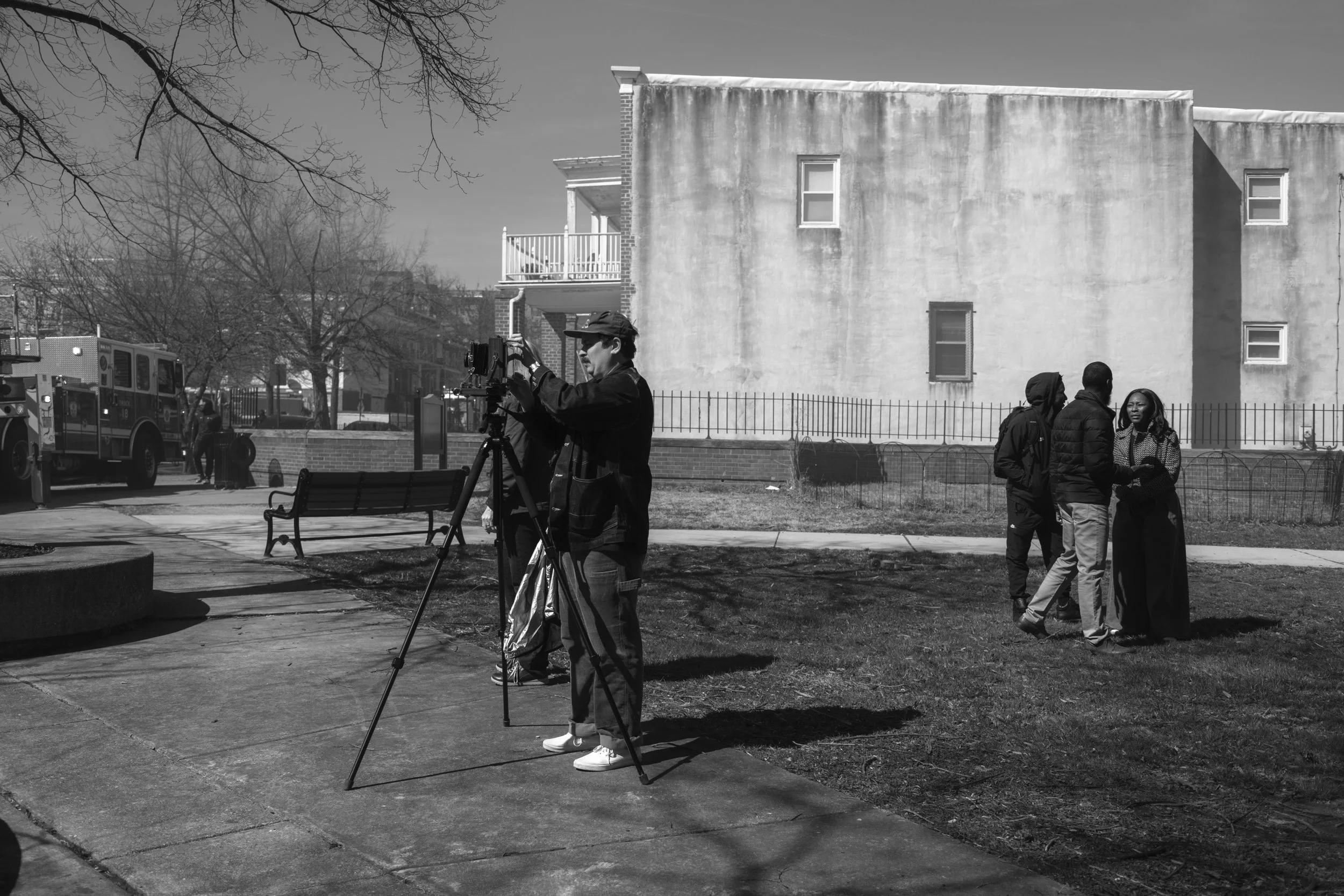
Around me, everyone else documented - Phones out - A large format camera - GoPros on poles - News crews - Contractors moving through the crowd - People looking for work, for footage, for something to take from the moment
We all want a piece of it, in different ways.
Meanwhile, people were asking questions no one is prepared to answer:
How do you even know what you lost?
Where do you even start?
I didn’t have much to offer beyond honesty-
that it’s going to be hard
that this is why insurance exists
that people do get through it, but not quickly, and not easily
words that fall short
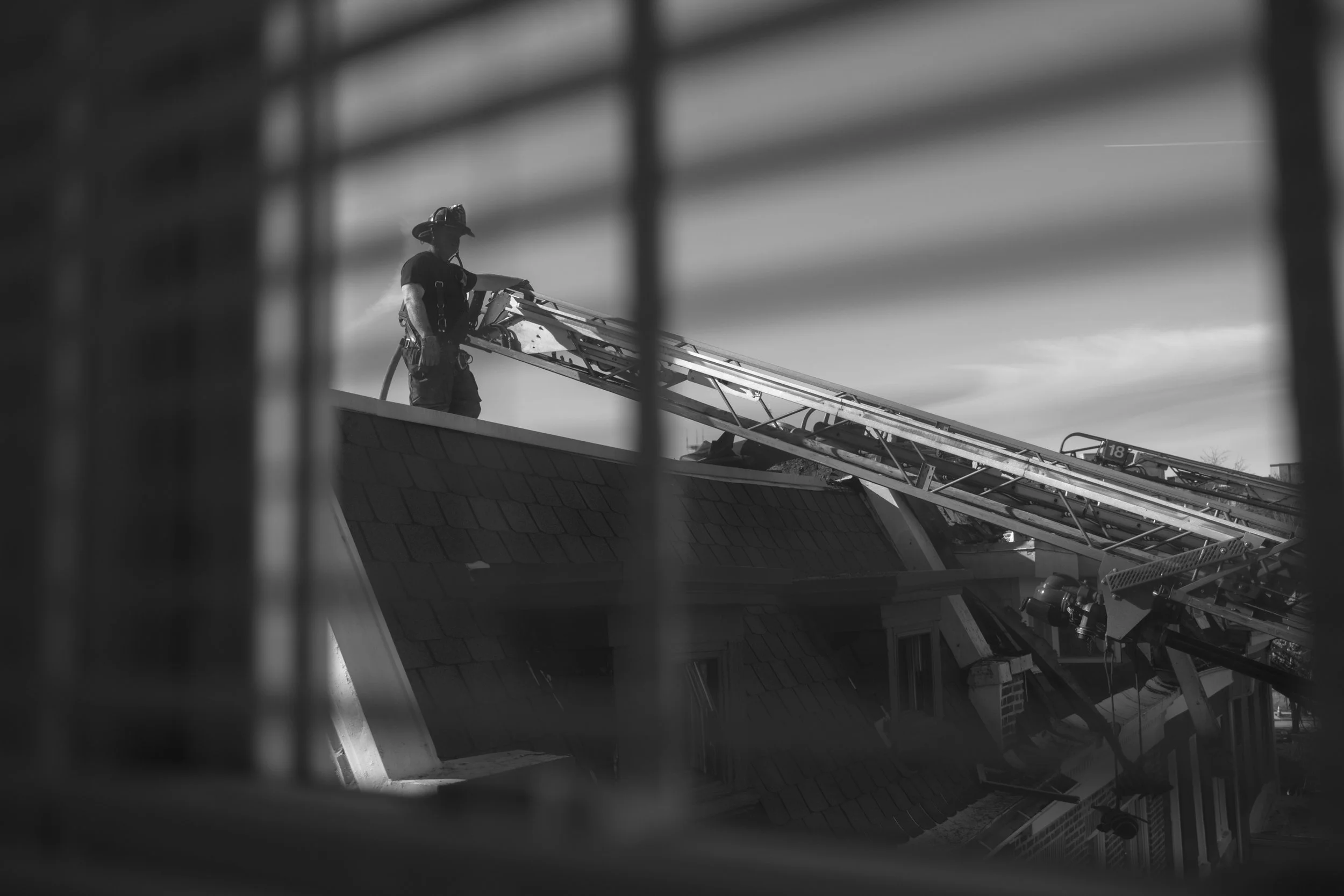
Four homes were damaged - fire across the roofs and upper floors, followed by extensive water damage from extinguishing the flames
Everyone made it out. One neighbor’s cats are still missing.
There were also people approaching homeowners while everything was still unfolding -offering services, asking for decisions in the middle of shock- Some decisions do have to be made —boarding up, tarping, preventing further loss— but the timing felt rushed for restoration work.
At the same time, city representatives were helping families find temporary shelter - offering a place to land and time to begin figuring out what comes next
I’m writing this from a place that still smells faintly like smoke.
today was a reminder that preservation is fragile
that everything physical can disappear
maybe the work isn’t just documenting what we keep—
but understanding what we can lose, and how quickly.
hold your people close - know your exits - check your detectors
Basic fire preparedness:
- Check smoke detectors (monthly, batteries 2x/year)
- Have 2 exit routes from every room
- Keep a small fire extinguisher in kitchen
- Take a quick video of your home for insurance documentation
- also, have home and renters insurance