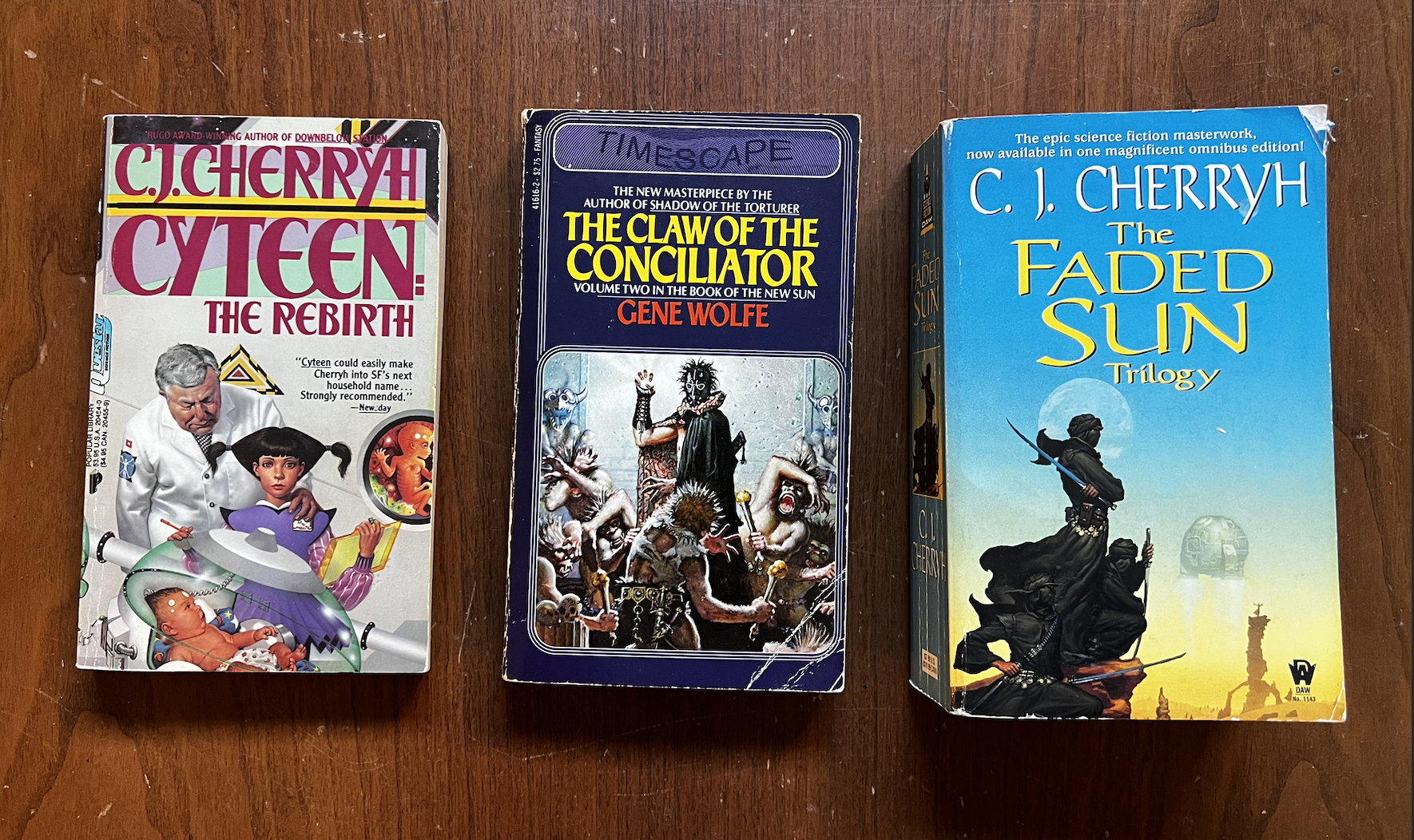
Linden Analog Library — Welcome
I did not come to these books through theory.
I came to them through violence—
captured as it unfolded in real time,
frame by frame.
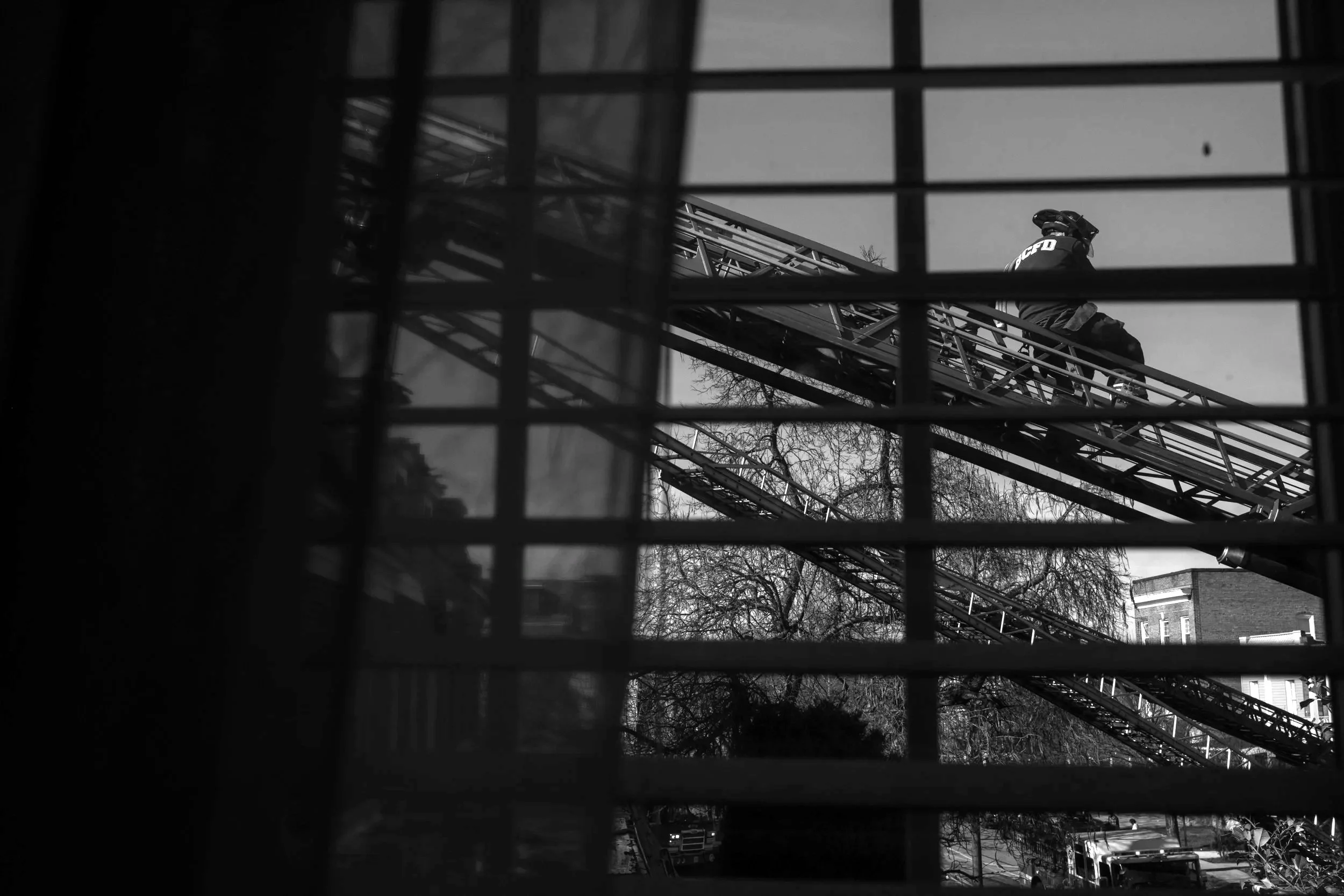
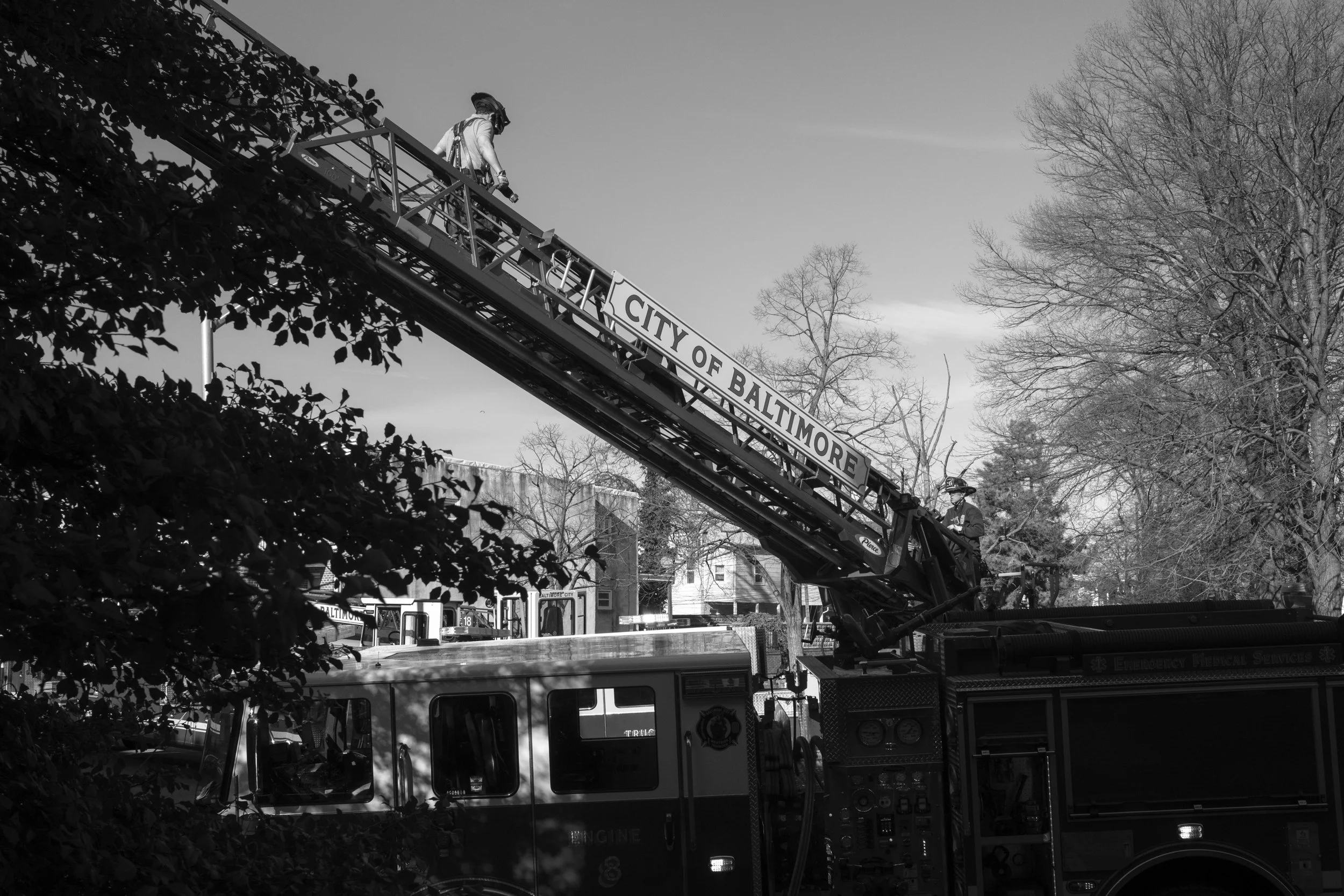
As a military combat photographer and videographer—Combat Camera, COMCAM—I learned about power from a distance:
through a lens capturing moments, through screens selecting, editing and reliving those moments, and later, as I moved into leadership, from tactical command centers—
several layers removed from consequence.
I’ve been close enough to know how death smells and tastes,
and far enough to see how easily action becomes procedure—
how responsibility thins as it moves up the chain.
This library is being assembled at a moment when state violence is not theoretical, not historical, and not hidden. Images circulate faster than accountability. Official language arrives already prepared. What becomes most ordinary is not the act itself, but how quickly it is explained, filed, and processed as procedure.
I recognize that rhythm,
I see how a nation’s story gets revised—
digital archives altered,
books banned,
museums curated,
truth rendered provisional,
history made negotiable.
Growing up, I was not well educated.
I struggled in school.
I skipped most assigned reading.
Books were never presented as alive—
as adventures worth taking.
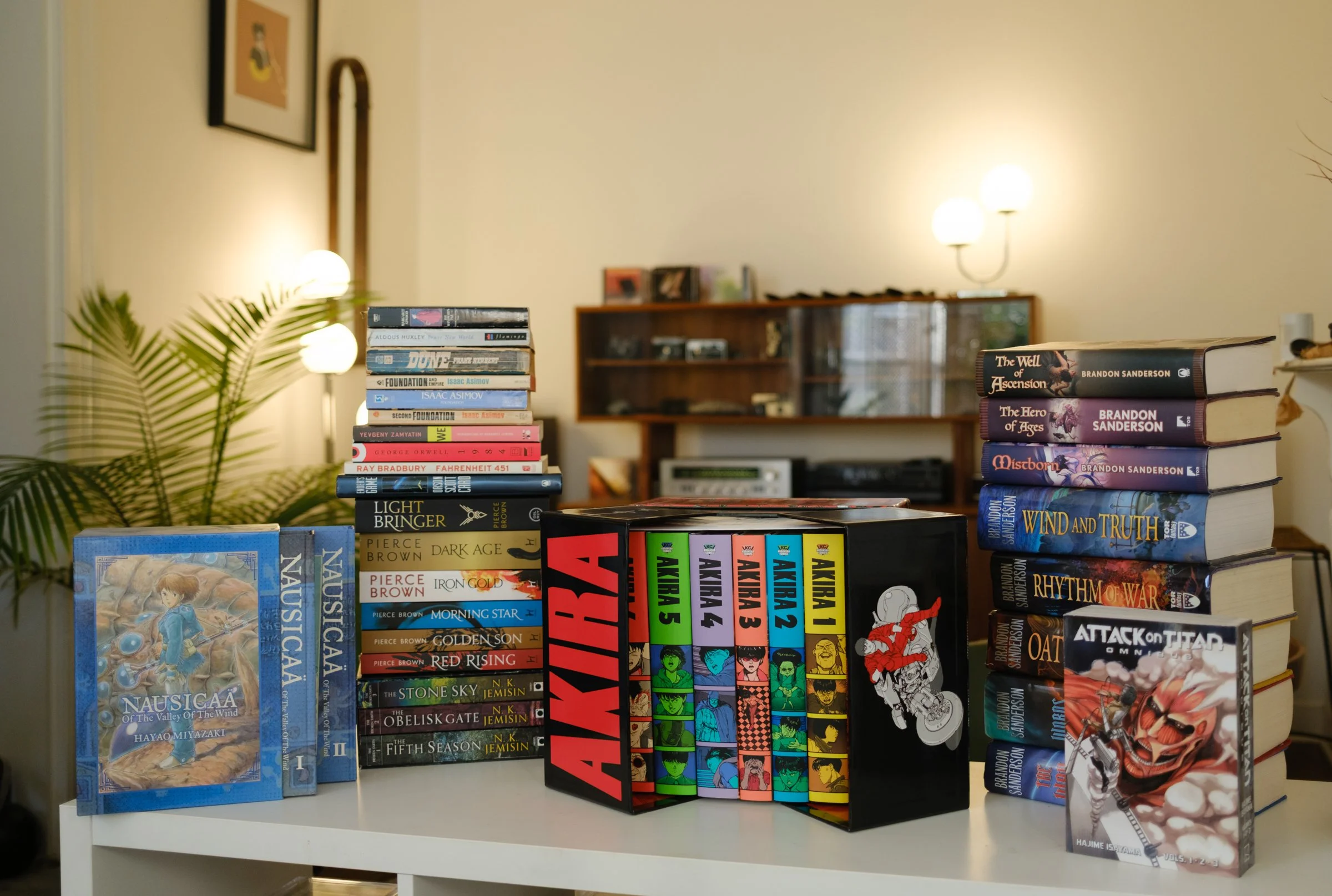
The books in this library were not assigned to me.
They were discovered.
I kept them because they helped me understand things I had already lived but could not yet articulate.
This library is shaped by that vantage point: ground level and overhead, action and aftermath, belief and bureaucracy.
The works here are not predictions or provocations.
They are tools for seeing—
ways of recognizing how systems organize behavior,
how violence becomes abstract,
how order learns to speak.
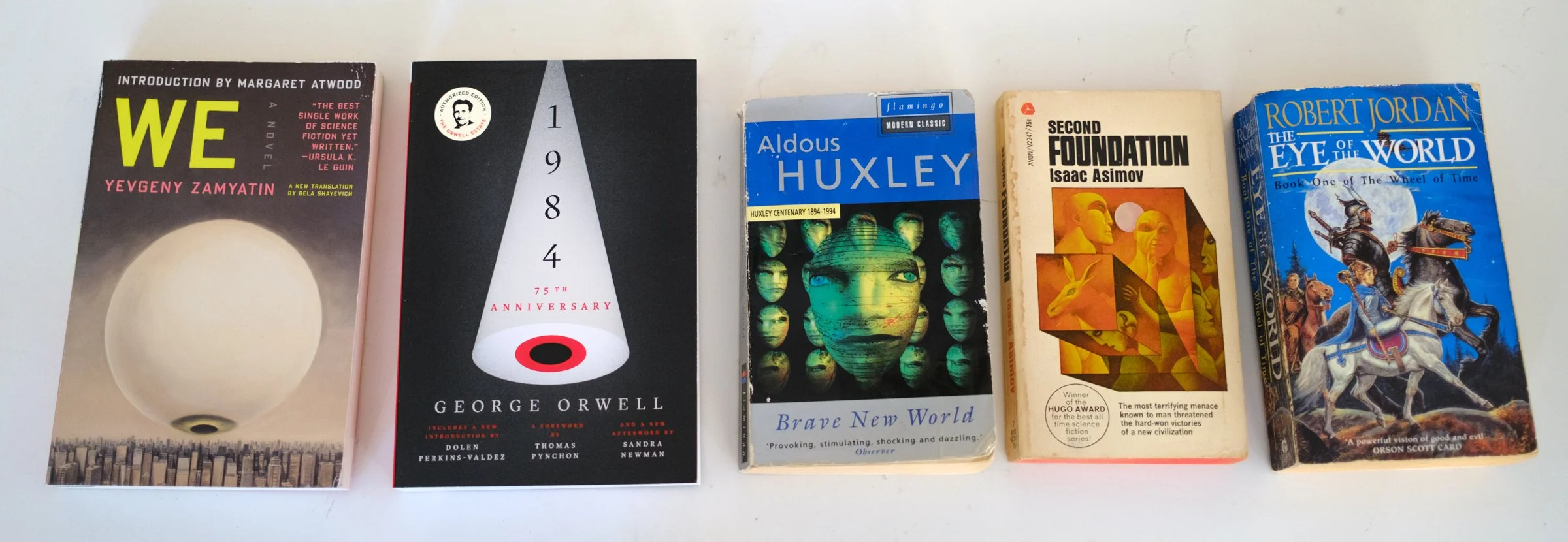
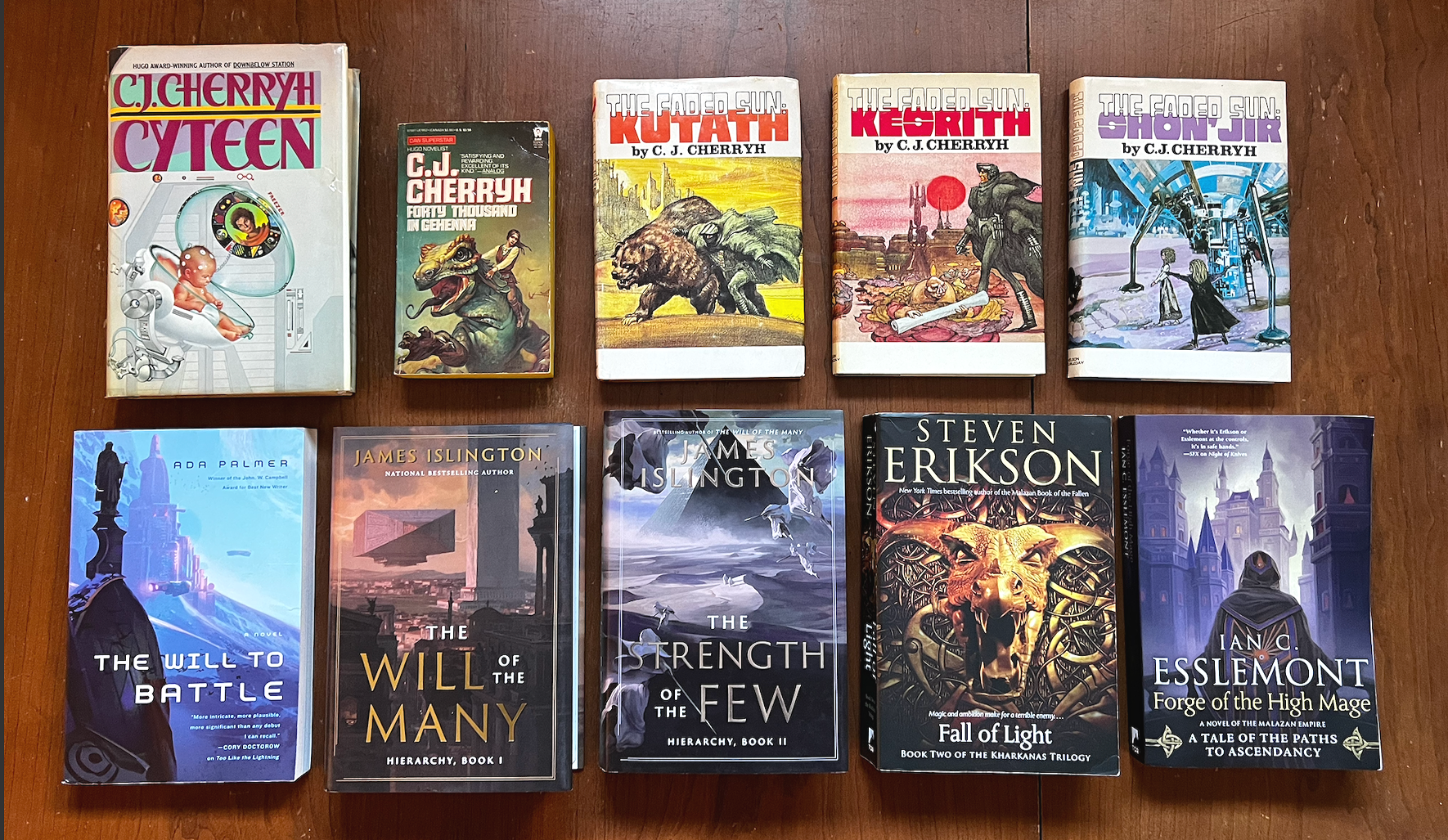
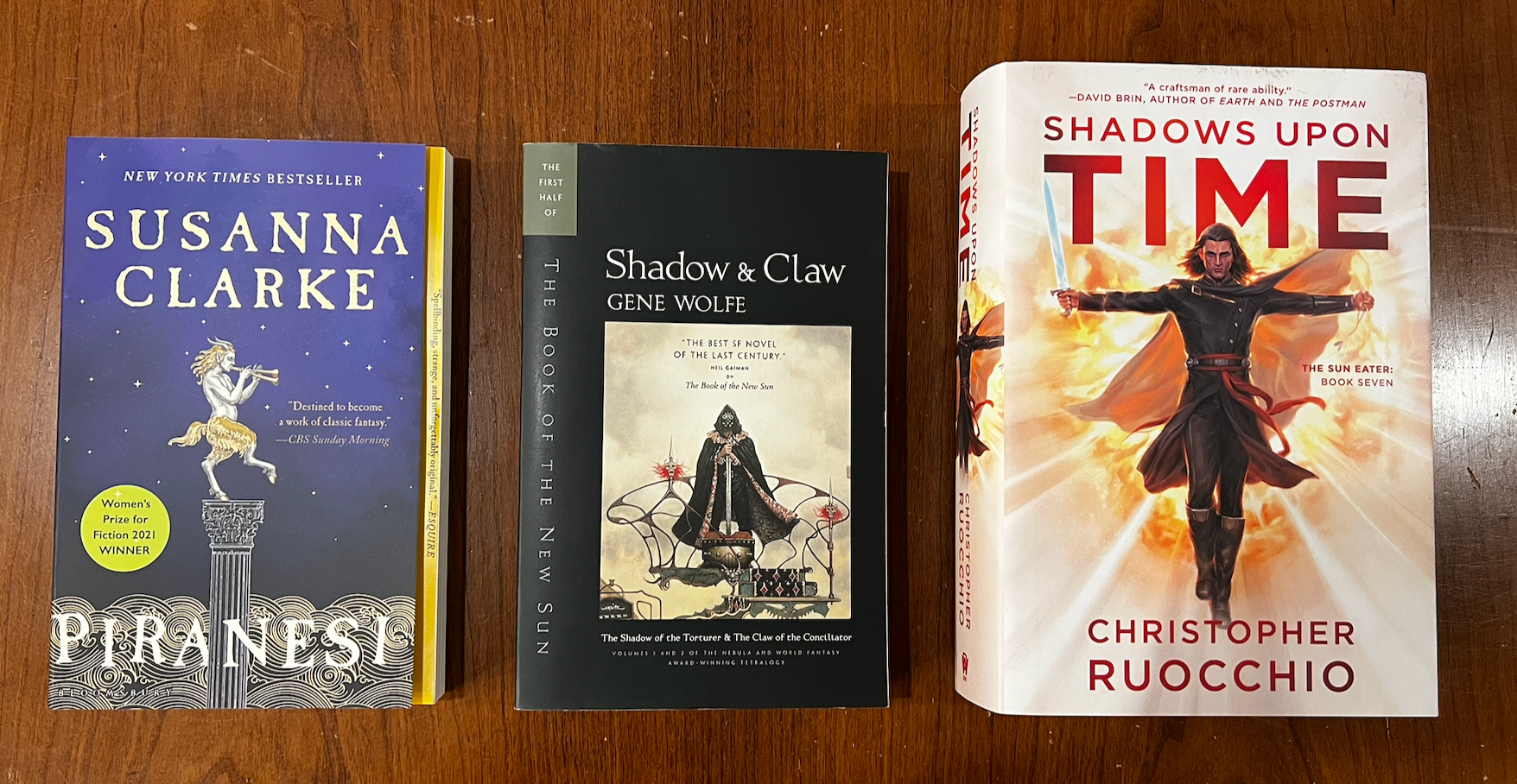
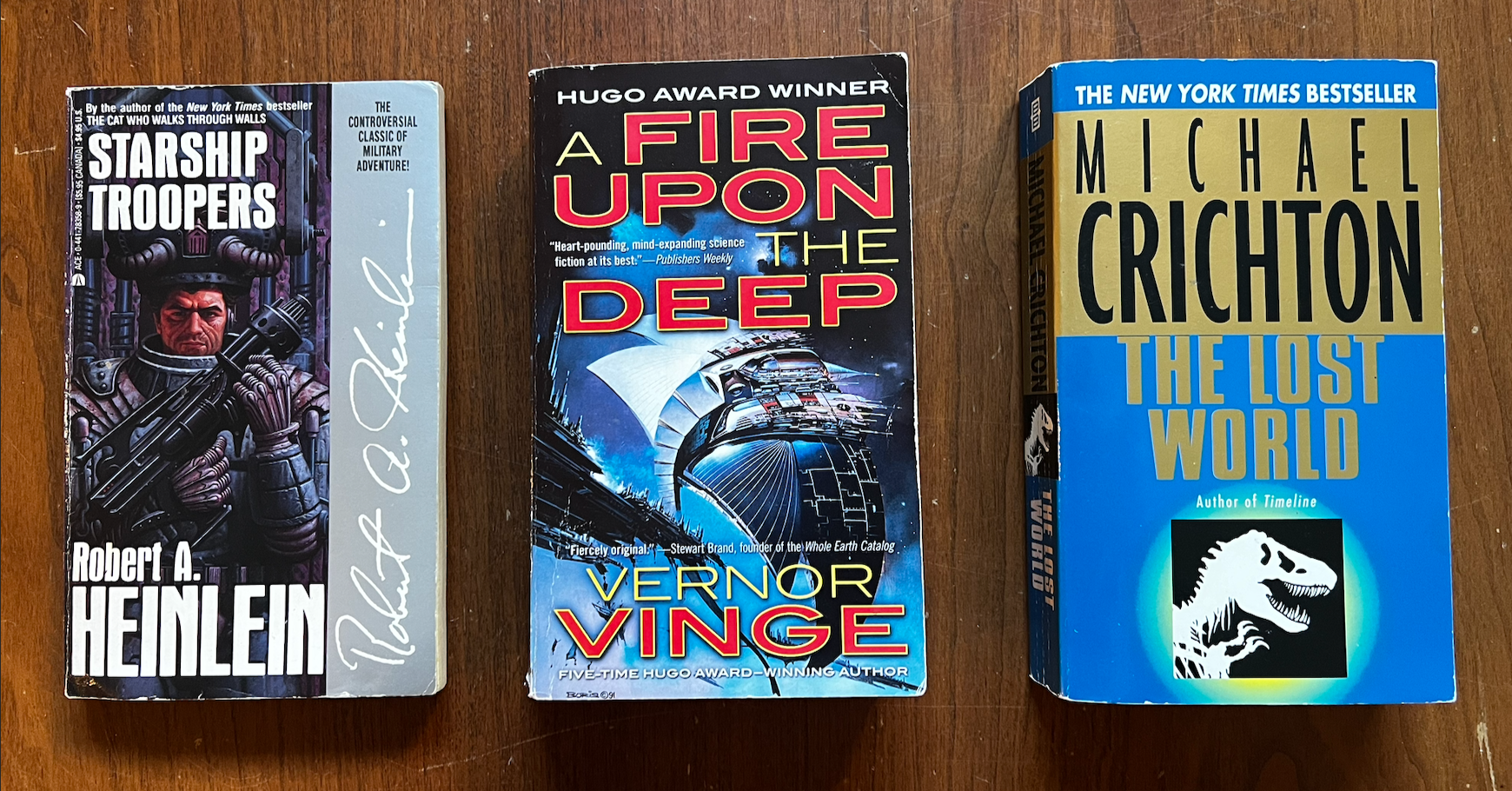
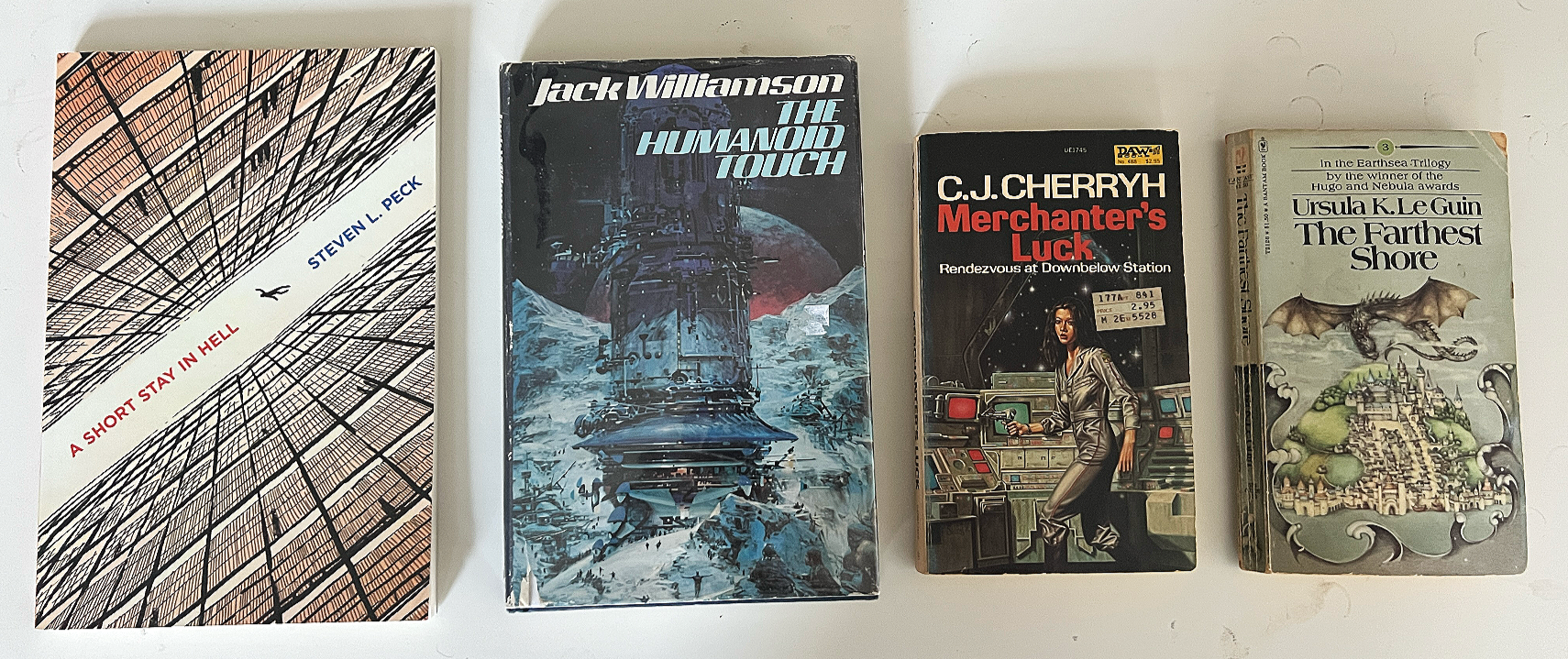
This essay engages directly with books and films referenced throughout the library. Their ideas and structural choices are discussed rather than plot. Some narrative elements appear in service of analysis, but nothing here is intended to spoil the experience—only to sharpen it. Every work included is here because it is worth reading or watching in full.
I could have chosen others. These stories are simply the ones that have stayed with me — read within the last several years, still fresh on the mind and still working on me beyond entertainment.
I like stories.
There are many ways to tell them.
Some writers polish every sentence.
Some strip language to its bones.
Some authors obscure.
Others repeat until the message is impossible to ignore.
Which is to say: there will be overlap below.
Repetition.
Recurring ideas.
Libraries do this.
They circle back.
They let patterns emerge.
There was a saying growing up:
toss a frog in a boiling pot and it’d jump out
place a frog in a pot and turn the heat up
frog doesn’t know its boiling until its too late
These books are not answers. They are mirrors— polished slowly, until familiar shapes come into focus.
They helped me recognize myself in the systems around me. They did not accuse. They reflected.
That is what this library offers.
You are welcome here.
What follows is not a comprehensive theory, and it is not neutral. It is the result of reading with a particular set of experiences in mind—watching how power behaves when no one thinks they are being watched, and how systems explain themselves once harm becomes routine.
This is the lens I bring to these shelves.
How I Read These Books
Speculative fiction does not predict the future.
It teaches pattern recognition.
It shows how systems fail slowly, invisibly, and often legally.
The failure is not that we struggle to imagine dystopia.
The failure is that we imagine it too narrowly—
reducing fascism to a costume drama. Uniforms. Salutes. A single villain. A dramatic rupture from normal life.
Real fascism is quieter. It slips in. It dresses as order, efficiency, protection. It rewards compliance, punishes fatigue, and renders cruelty inevitable.
History does not offer a single account, but many—shaped by bias, revision, and forgetting.
Germany in the early twentieth century did not wake up as a totalitarian state. It slid incrementally, bureaucratically, and often legally. Democracy did not collapse under a single siege. It hollowed out under strain, fear, and exhaustion. Fascism arrived not as chaos, but as a promise of order.
And the lesson is not confined to the past.
These structures reappear wherever authority is insulated from accountability: emergency powers that never expire, surveillance justified by catastrophe, bureaucracies that reward obedience over justice, aesthetics that signal competence rather than responsibility.
Advertising agencies understand this. So do extremist movements and state institutions alike. Tactical aesthetics—armor, uniforms, militarized posture—are often less about protection than signaling.
Body armor for spectacle.
Performative violence designed to provoke reaction, then cite that reaction as justification for escalation.
Small procedural choices—delayed accountability, normalized cruelty, erasure of inconvenient truths—accumulate into systems that resemble history’s darkest chapters.
That is where speculative fiction becomes indispensable—
not as allegory,
but as documentation in advance.
Speculative fiction recognizes these patterns early because it follows incentives before outcomes, tracing how power organizes behavior long before it announces itself as doctrine.
What We Mean When We Say “Fascism”
Fascism is one of the most misused terms in contemporary language. It is treated as insult, dismissed as alarmism, or flattened into symbolism before it can serve as analysis. In the American context especially, the word often collapses under partisan gravity before it can do any analytic work.
So it must be defined.
For the purposes of this library, fascism is not:
A specific uniform or symbol
A single authoritarian leader
A fixed position on a left–right political spectrum
Fascism is better understood as a mode of organizing society under sustained conditions of fear.
At its core, fascism is a political and cultural process marked by recurring traits:
Mythic National Identity
The nation becomes a sacred story rather than a complex reality. A mythologized past is invoked to justify present cruelty.
The Erosion of Objective Truth
Facts become negotiable. Loyalty replaces evidence. Narrative replaces reality.
The Creation of Internal Enemies
Social and economic failures are displaced onto identifiable groups—portrayed as both weak and existentially dangerous.
The Fusion of Power and Spectacle
Authority is communicated visually. Aesthetics do not merely decorate power—they perform legitimacy.
Legalism Without Justice
Fascism prefers policy to mobs. Violence is reframed as administration.
The Demand for Simplicity
Complexity becomes suspect. Moral nuance collapses into binaries.
The Normalization of Cruelty
Atrocities arrive as solutions, phased in gradually, each one easier than the last.
Fascism rarely announces itself.
It arrives as restoration.
As efficiency.
As common sense.
This is why speculative fiction recognizes it early - before the hierarchy solidifies, before the language calcifies, before the system admits what it is.