Forty-one years old
Forty-one songs
Not a collection of favorites - more, a distillation - a moment captured through sound
Like a film, the sequence is less interested in telling a story with a beginning, middle, and end than tracing an emotional landscape — the invisible things that shape a life - fate, memory, grief, love, temptation, silence, mortality...
These songs are companions through those spaces
Together they form a loose narrative: a person moving through life beneath the weight of what came before, carrying the things they cannot change, searching for meaning in the things they can
The story does not end with answers - ends with attention
Because today I mark fort-one years and growing older has not taught me how to solve life
It has taught me how to notice it
This is not a playlist designed to be consumed passively
It is a sonic environment
A collection of companions for park walks, long drives, gym sessions, quiet evenings in the library, and those moments when music expresses something language cannot articulate
The protagonist of this story is not trying to become someone else
They are trying to become more themselves
There is no traditional villain - the antagonist is quieter : Distraction : Fear : Avoidance : Noise
The central question slowly changes
It begins as:
Where am I going?
And becomes:
How do I want to be here?

Cinephile References
For a deeper understanding of this collection, below are films that embody its emotional territory and aesthetic.
Perfect Days (2023)
Director: Wim Wenders · DP: Franz Lustig
The poetry hidden inside ordinary routines — how attention can transform the everyday into something meaningful.
Paterson (2016)
Director: Jim Jarmusch · DP: Frederick Elmes
A quiet meditation on routine, observation, and the poetry of everyday life.
After Yang (2021)
Director: Kogonada · DP: Benjamin Loeb
What makes a life meaningful, and how memory shapes our understanding of ourselves.
Koyaanisqatsi (1982)
Director: Godfrey Reggio · DP: Ron Fricke
Images, rhythm, and sound creating meaning without explaining everything. Music functioning as a way of seeing.
The Lathe of Heaven (1980)
Directors: Fred Barzyk & David Loxton · DP: Robbie Greenberg
Dreams becoming reality, and the uneasy question of whether changing the world is the same as improving it.
Inception (2010)
Director: Christopher Nolan · DP: Wally Pfister
Memory as architecture — dreams within dreams, layers of consciousness, and places constructed from memory.
Blade Runner 2049 (2017)
Director: Denis Villeneuve · DP: Roger Deakins
Sound and environment become inseparable. Landscapes seem to hold memory.
Arrival (2016)
Director: Denis Villeneuve · DP: Bradford Young
Time, wonder, memory, and melancholy — and the strange beauty of experiencing them simultaneously.
Annihilation (2018)
Director: Alex Garland · DP: Rob Hardy
Entering something unfamiliar and realizing that it has changed you.
The Last Black Man in San Francisco (2019)
Director: Joe Talbot · DP: Adam Newport-Berra
Spaces filled with memory, longing, identity, and the weight of what we carry.
Moonlight (2016)
Director: Barry Jenkins · DP: James Laxton
An intimate, impressionistic meditation on identity, memory, connection, and becoming.
These references are not comparisons of story but touchstones for feeling and understanding - films that understand that attention itself can be a form of meaning.
The Sonic Experience: Four Movements
Total Runtime: ~3 hours 4 minutesMovement I — Listening
Tracks 1–11
Runtime: ~42 minutes
The world speaks before we do.
Fate
Memory
Longing
Instinct
Before we understand ourselves, we inherit voices — from family, culture, memory, and experience.
Whose voice am I following?
Movement II — Becoming
Tracks 12–19
Runtime: ~31 minutes
Movement replaces certainty.
The search for answers gives way to the practice of living
Growth is rarely dramatic
It is cumulative
It happens through repetition, failure, curiosity, and attention
The question shifts:
Who am I becoming?
Movement III — Acceptance
Tracks 21–29
Runtime: ~53 minutes
The music slows.
Mortality enters the room
Silence becomes part of the composition
The things we cannot change become the things we must learn to carry
The question changes:
How do I live because life is temporary?
Movement IV — Participation
Tracks 31–41
Runtime: ~58 minutes
Wonder returns.
Dance returns
Joy returns
Not because everything is solved
Because it doesn't need to be
Nothing is resolved
Everything is changed
At forty-one, I don't think I have become wiser as much as I have become more attentive
These songs do not explain my life
They reveal where my attention has settled this August
A reminder to:
Listen more carefully
Move more often
And hold both joy and mortality without needing to resolve either
The First Movement — Listening
The world speaks before we do
Tracks 1–11
Runtime: ~42 minutes
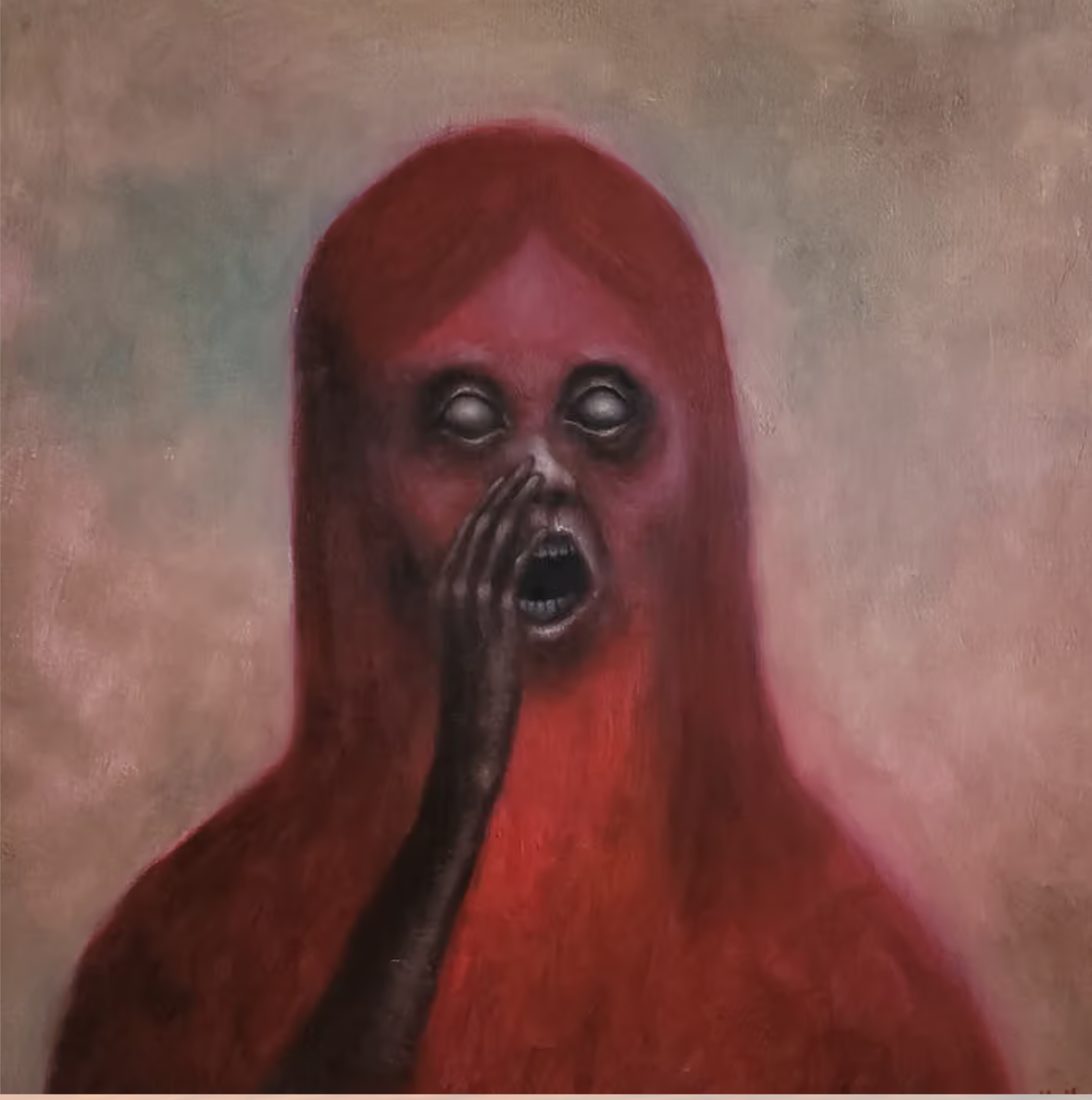
1. Sina — Joel Fausto & Illusion Orchestra
Deus é Cego! (2022)
Runtime: 3:34
Genre: Doom Jazz • Noir Jazz • Ambient Doom
Mood: Fated • Patient • Nocturnal
"Sina" means fate, and the music moves with the slow certainty of something already written. Dramatic. Particular.
2. Cantar das Kandakinhas — Pedro Ricardo
Soprem Bons Ventos (2024)
Runtime: 2:05
Genre: Portuguese Folk • Bossa Nova-esq
Mood: Windswept • Earthy • Hopeful
Lyrics:
Look, my brother, I'm already gone, I'm already here
Look, my brother, I'm already here, I'm already gone
Look, my brother, I'm already gone, I'm already here
Look, my brother, I'm already here, I'm already gone
3. Ya Aen Daly — Najib Alhoush
Single (2023)
Runtime: 3:35
Genre: Arabic Folk • Contemporary Middle Eastern
Mood: Longing • Warm • Reflective
The song’s magic is underpinned by its emotional dichotomy. It takes a melancholic piece of Libyan poetry about mourning a broken bond and layers it over The Bee Gees 1970s funk beat Staying Alive. This perfectly mirrors the human experience of navigating grief: "staying alive" on the outside, sorrow on the inside
Lyrics:
Oh eye, as long as you are a stranger, find your guidance,
And you must always turn toward doing good deeds.
Oh eye, how bitter is separation,
I have witnessed it,
It truly withers a human being once they experience it.
Oh eye, if only talking could bring you back,
I would leave, and never hear anyone speak ill of you.
Nothing hurts you, oh eye, except humiliation,
And patience—there is no remedy like it for this affliction.
4. Tocole — Sepalot Quartet & Angela Aux
Single (2023)
Runtime: 5:00
Genre: Nu Jazz • Downtempo • Electronic
Mood: Curious • Playful • Drifting
The groove wanders without getting lost, and the track feels like discovering a side street worth following.
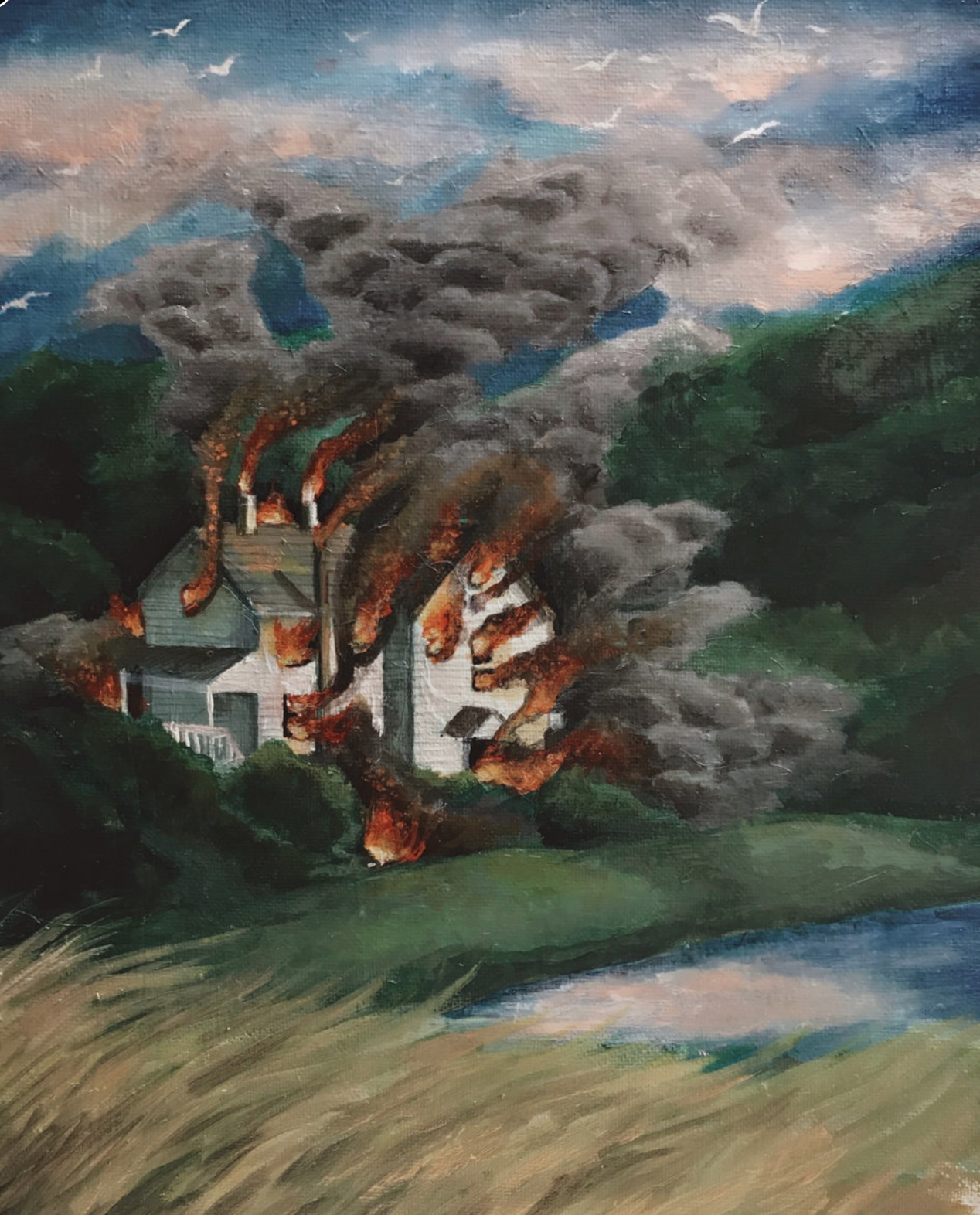
5. Yearn — Yvette Young
Single (2024)
Runtime: 5:04
Genre: Instrumental Progressive • Math Rock • Ambient
Mood: Tender • Searching • Open-hearted
Warm tears blur vision with most solo listens. It captures that feeling of reaching for something just beyond language and finding beauty in the reaching itself.
6. Let It Burn — Goat
Medicine (2023)
Runtime: 6:03
Genre: Psychedelic Rock • World Rock
Mood: Purging • Energetic • Liberating
A necessary fire enters the sequence. The track isn't destructive so much as cleansing, burning away what no longer needs to be carried.
The song was specifically written and recorded for the climax of the short documentary film Killing Gävle. The documentary explores the bizarre, real-life tradition surrounding the Gävle Goat (Gävlebocken) in Sweden—a giant straw goat built every Christmas that local town custodians try to protect while pranksters and "mischievous pagans" repeatedly attempt to burn it down.
Lyrics:
The sky lights up once again
Like sunrise rode at his fall
You know this
You showed me it's that time once again
When plants reflect in your eyes
You know it
I left you, the sky lights up once again
Like moonlight's right at his boat
You did this, you showed me
7. Existe Uma Voz — Rogê
Curyman II (2023)
Runtime: 3:46
Genre: Brazilian MPB • Samba • Soul
Mood: Gentle • Human • Encouraging
The song sounds like someone speaking softly from the next room, reminding you that you're not alone in your thoughts.
Lyrics:
There is a Voice
In each one of us
There is a voice
That shows the right path
For those who are smart
That shows the right path
To stay smart
Sometimes in the middle of the game, there's a crossroads
Right away for us to know
If you do it, if you run, simplify
If you take it, if you bite it, if you pay to see it
Those who don't know what they want
When they find it, they get lost in the count
You can't explain it
The voice that screams from inside
At the exact moment, at the right time
In each one of us
There is a voice
That shows the right path
For those who are smart
That shows the right path
You find it, you get lost in counting
You can't explain it
The voice that screams from inside
At the exact moment, at the right time
In each one of us
There is a voice
That shows the right path
To get smart
That shows the right path
For those who are smart
In each one of us
There is a voice
That shows the right path
For those who are smart
That shows the right way
To get smart
That shows the right way
For those who are smart
That shows the right way
To get smart
8. Crystal Maze — Session Victim
Low Pilot (2024)
Runtime: 2:54
Genre: House • Broken Beat • Nu Disco
Mood: Bright • Dancing • Light-footed
The looping rhythms feel like walking through a memory palace. It inhabits that strange space where dreams begin to feel more real than waking life. Rather than pulling me backward into nostalgia, it invites me to linger inside a moment.
9. Sirens — Ludwig Göransson
The Odyssey (Original Motion Picture Soundtrack) (2026)
Runtime: 2:39
Genre: Cinematic • Orchestral
Mood: Awe • Temptation • Mythic
The Odyssey movie narration:
“All the things you want it to be. Then, all the things you wish you never wished for.
It was the delicious itch you go to scratch but find it’s under the skin, you can’t reach it. So the delicious itch becomes unbearable.
It told you what you most want…is what you most can’t have.
And what you most can’t have…is what you already had...and lost...
It was the song of all the promises I failed to keep. And it told me I don’t really want to go home.”
10. Animalistic — Brotality
It Feeds (2024)
Runtime: 2:32
Genre: Thrash Metal • Metalcore
Mood: Fierce • Instinctive • Unrestrained
Every story needs a moment where instinct takes over that’s raw, visceral, and unpretentious. This isn't about anger so much as embodiment.
Lyrics:
Eye to the earth
Swallow the flesh
Where have you gone?
Won't you show yourself to me?
Does the beast follow you too?
His shadow is long and his jaws bite deep
Can you tell me how it feels to sleep?
Resurrect my soul
Here and now
I'm split by love and lust
Can you heal me?
Heal me now
Put your eye to earth
Let the light in
Fill meHoly father
Eye to earth
Let the light in
Fill me
Resurrect my soul
Here and now
Hear me now
11. Look What Love Has Done to Me — Nuage
Single (2023)
Runtime: 4:32
Genre: Deep House • Garage • Electronica
Mood: Vulnerable • Reflective
After the raw instinct of Animalistic, the movement turns inward. There is no grand revelation - just the recognition of what love, longing, and experience have left behind.
The groove remains gentle and open, suggesting that acceptance doesn't mean having everything figured out. Sometimes it simply means being honest about what has shaped you, and continuing to move.
The Second Movement — Becoming
Movement replaces certainty
Tracks 12–19
Runtime: ~31 minutes
12. Expansion — Sub Basics
Single (2024)
Runtime: 3:26
Genre: Dubstep • Deep Dub • Bass
Mood: Spacious • Meditative • Subterranean
A hypnotic soundscape - low frequencies audition architecture structures. The track fills a room inside the body, as if thought itself has been given space for thought.
13. P7 Blues — СОЮЗ
Single (2023)
Runtime: 3:01
Genre: Experimental Jazz • Beat Music
Mood: Smoky • Abstract • Restless
A blues refracted through circuitry. Familiar emotional colors appear in unfamiliar shapes, which is part of what makes it compelling.
14. Cactus Blossom — Polyrhythmics
Man from the Future (2020)
Runtime: 4:22
Genre: Funk • Instrumental Soul • Afrobeat
Mood: Warm • Grooving • Sunlit
Desert flowers bloom slowly, and so does this groove. It feels like heat radiating from pavement at the end of the day.
15. SLOWDIVE — Turnstile
NEVER ENOUGH (2026)
Runtime: 3:33
Genre: Alternative Rock • Hardcore • Dream Pop
Mood: Weightless • Melancholic • Hopeful
Turnstile's gift is making heaviness float. The song carries longing without collapsing under it. For me they are a perfect mix of pop and punk.
Lyrics:
Slowdive, sink into the feeling
Hold tight, you're drowning in the days
Wanna swim right but the peace and quiet is comforting
On my way down, did you hear me when I called?
Slowdive, memories are fleeting
Both eyes, see you in a haze
Wanna swim right but the peace and quiet is comforting
On my way down but I feel no weight at all
Can't give you what you need
You know it's hard enough to breathe
slowdive, sink into the feelingHold tight, you're drowning in the days
Wanna swim right but the peace and quiet is comforting
On my way down but I feel no weight at all
Can't give you what you need
You know it's hard enough to breathe
Not what you're looking for
But you don't see me anymore
And it's a heartbreak
Heartbreak
And it's a heartbreak
Heartbreak
And it's a heartbreak
Heartbreak
And it's a heartbreak
Heartbreak
16. Floating on Silence — Tour-Maubourg
Single 2022
Runtime: 6:22
Genre: Deep House • Future Jazz • Acid Jazz
Mood: Melancholic • Sophisticated • Sensual
This is music that doesn't interrupt silence - it glides across it. Reflective without becoming heavy, intimate without becoming sentimental, it captures that rare emotional space where melancholy and contentment coexist.
17. Rust — Yussef Dayes & Tom Misch
What Kinda Music (2020)
Runtime: 3:59
Genre: Jazz • Neo-Soul • Broken Beat
Mood: Intimate • Textured • Thoughtful
The interplay feels like a conversation between old friends who no longer need to fill every silence.
18. Bad Bad News — Leon Bridges
Good Thing (2018)
Runtime: 3:27
Genre: Soul • R&B • Jazz
Mood: Cool • Confident • Empowering
A reminder that introspection doesn't require solemnity. The song smiles while it moves.
Lyrics:
Ain't got no riches, ain't got no money that runs long
But I got a heart that's strong
And a love that's tall
Ain't got no name, ain't got no fancy education
But I can see right through
A powdered face on a painted fool
Let me slip through (let me slip through)
Why you tryna hold me back? (I ain't)
I'm just tryna move up front
Lil' more of this, lil' less of that (can you feel me?)
Let me come through (let me come through)
I'm tired of being in the back (a'ight)
I'm just tryna move up front
A lil' more of this, a lil' less of that, yeah
They tell me I was born to lose
But I made a good, good thing out of bad, bad news
I don't worry, don't worry, don't worry about people in my face
I hit 'em with the style and graceAnd watch their ankles break
I know you wish, I know you wish I would fade away
But I got more to say, Lord, they pray
Let me slip through (let me slip through)
Why you tryna hold me back? (I ain't)I'm just tryna move up front
Lil' more of this, lil' less of that (can you feel me?)
Let me come through (let me come through)
I'm tired of being in the back (a'ight)
I'm just tryna move up front
A lil' more of this, a lil' less of that, yeah
They tell me I was born to lose
But I made a good, good thing out of bad, bad news
All day, all night, alright, alright
All day, all night, alright, alright
All day, all night, alright, alright
All day, all night
They tell me I was born to lose
But I made a good, good thing out of bad, bad news
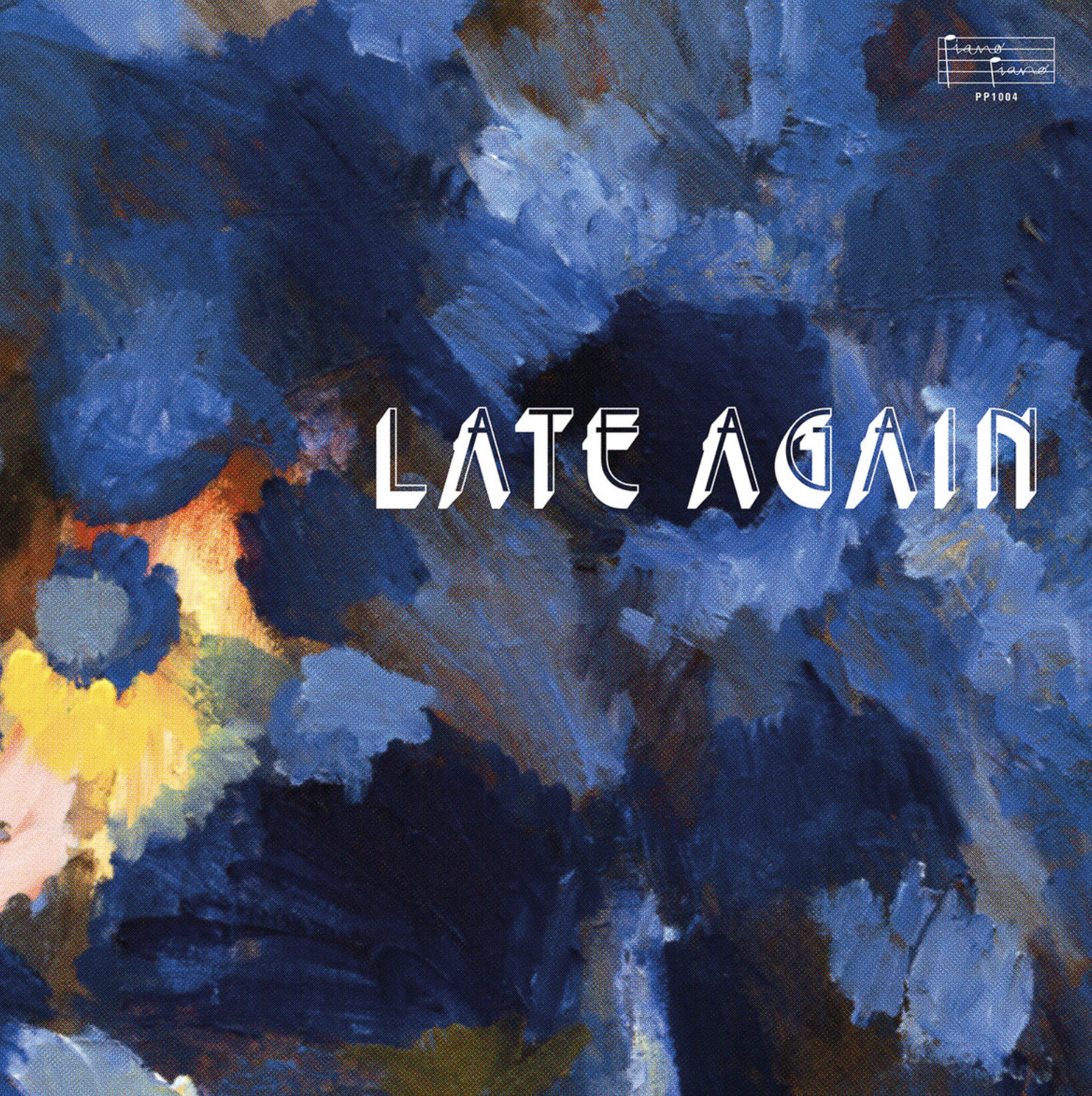
19. Take a Break — Sven Wunder
Late Again (2025)
Runtime: 2:59
Genre: Cinematic Jazz • Easy Listening • Library Music
Mood: Unhurried • Soft • Restorative
The title functions almost as an instruction.
After all the searching, movement, and self-examination, the second movement ends with permission to stop striving. This is music for making tea, opening a window, and letting the day slow down.
Growth is not always found in pushing forward. Sometimes it is found in creating enough quiet to notice where you already are.
The Third Movement — Acceptance
Control gives way to acceptance
Tracks 20–29
Runtime: ~53 minutes
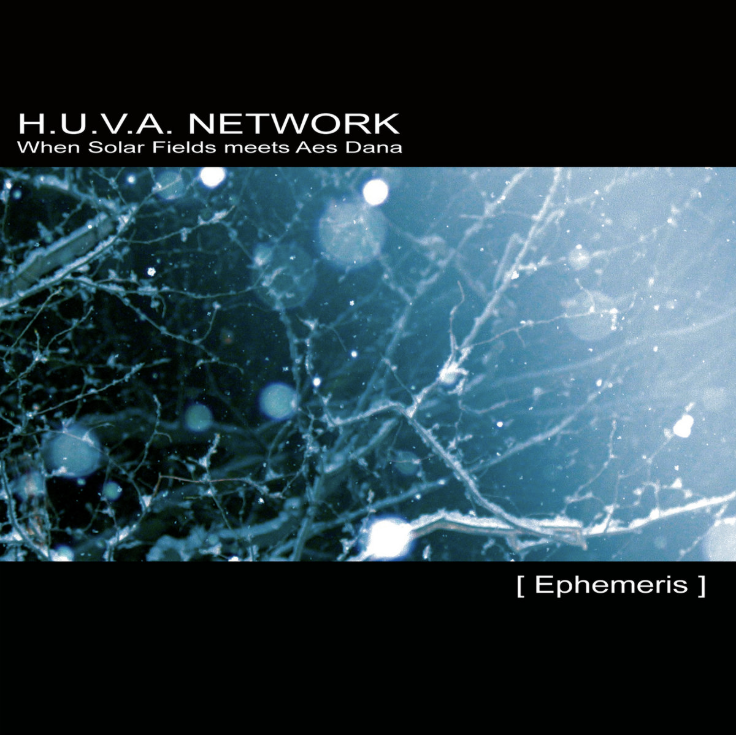
20. Dissolving Time — H.U.V.A. Network
Ephemeris (2009)
Runtime: 6:49
Genre: Ambient • Psychill • Downtempo
Mood: Floating • Timeless • Meditative
Minutes become less important while this plays. Built on slow-moving textures and barely perceptible shifts - encourages a different relationship with attention - one where there is nowhere to arrive and nothing to solve.
21. Fall into Oblivion — Quantec
Cauldron Subsidence (2011)
Runtime: 6:23
Genre: Dub Techno • Ambient
Mood: Deep • Oceanic • Dissolving
Feeling as if the decisions been made and there is nothing to do but advance. The track doesn't portray oblivion as an ending. It presents it as surrender to momentum.
22. Need to Run — Matthew Herbert & Momoko Gill
Clay (2024)
Runtime: 4:38
Genre: Experimental Electronic • Vocal Jazz
Mood: Anxious • Kinetic • Honest
That feeling of the in-be-tween state. The urge to flee is presented without judgment.
Lyrics:
Is this the morning
Does this mean something
I guess your sunrise is someone's sunset
And maybe it's mine
Are we still laughing
Well I'm not feelin' it anymore
And I knowI'm a means to your end
And I won't pretend I'm just fineI'm not fine
This the calm before losing all control
Paying for ways we lose track of time
I always thought and now I know for certain
I won't be there
When you need to run
You can close me out
Turn on me
Turn on me
When you close the door
You're still powerful
No not me
You're not me
It's all on me
Now only thunder
Once again nearer
Though it was one time
Accumulation has made it a farce
This isn't like me
And I'm not feelin' it anymore
And I know
There's a rage in my head and I won't be led
Somewhere nice
I'm not nice
Is this the calm before losing all control
Paying for ways we lose track of time
I always thought and now I know for certain
I won't be there
When you need to run
You can close me out
Turn on me
Turn on me
When you close the door
You're still powerful
No not me
You're not me
It's all on me
When you need to run
You can close me out
Turn on me
Turn on me
When you close the door
You're still powerful
No not me
You're not meI
t's all on me
When you need to run
You can close me out
Turn on me
When you close the door
You're still powerful
No not me
23. Rocky Shore — Aracea
Single (2024)
Runtime: 5:54
Genre: Ambient • Modern Classical
Mood: Coastal • Solitary • Clear-eyed
Feels like standing at the edge of something larger than yourself and finding calm there.
24. Twelve O'Clock Shadow — Natureboy Flako & Miguel Atwood
Single (2024)
Runtime: 3:58
Genre: Spiritual Jazz • Experimental Soul
Mood: Suspended • Dreamlike • Noon-hazed
A strange and beautiful stillness hangs over this track. It feels like the world pausing for a second in the middle of a bright day.

25. Kuroi Kage — Sigh
Shiki (2022)
Runtime: 7:55
Genre: Avant-Garde Metal • Black Metal
Mood: Ominous • Ritualistic • Theatrical
"Black Shadow" brings ceremony back into the sequence. The darkness here is not despair — it is confrontation. Like a mask worn for ritual, the song gives shape to the fears we often avoid naming.
A meditation on mortality, fear, and the unavoidable presence of death.
Not if the shadow follows us, but how we choose to live knowing it does.
What does it mean to live well once you know time is finite?
Lyrics:
A shadow that pursues me.
A shadow invisible to human eyes
clings tightly to my back, always there.
In the end, I will inevitably fall into its hands.
The cold breath I feel behind me
has been troubling me more and more lately.
When its presence has become this impossible to ignore,
I can no longer pretend I don't notice.
I was so afraid that I turned away.
But that day will surely come.
From the moment I was born into this world,
it has been attached to me.
Waiting for the slightest opening,
it lurks, hoping to strike me down while I sleep.
It has been waiting impatiently for that moment.
If this is not a curse,
then who could ever be saved?
If this is not a nightmare,
then who could ever find peace?
I was so afraid that I turned away.
But that day will surely come.
No one can escape—
not you, not me.
Because we were born into this world.
Following me everywhere,
a black shadow.
Watching me.
Waiting for me.
Day and night.
If today is the day, what will you do?
If everything is a lie, what will you do?
If today is the day, what will you do?
I have somehow managed to survive until now.
But still it follows me—
A black shadow.
A black shadow
from the other side.
26. We're Flying — 40 Winks
Sound Puzzle (2009)
Runtime: 3:28
Genre: Instrumental Hip-Hop • Downtempo
Mood: Dreamy • Childlike • Airborne
A small lift-off after the previous storm. The beat seems to float a few inches above the ground.
27. Counting Worms — Knocked Loose
A Different Shade of Blue (2019)
Runtime: 1:12
Genre: Hardcore
Mood: Cathartic • Violent • Immediate
I chose to limit the number of hardcore moments because these bursts of intensity are powerful precisely because they are brief.
After confronting mortality, this is a moment of pure physical release — a reminder that being alive is not always contemplative. Sometimes it is loud, chaotic, ridiculous, and joyful.
And the bark - there is something strangely perfect about a song this aggressive containing the self-effacing levity life needs
A final burst of instinct before the journey moves forward
Lyrics:
I wrote a song about getting better
It's a feeling I can't remember
Arf, arf
Counting worms
28. Sonic Outlaws — Polar Inertia
Single (2023)
Runtime: 8:43
Genre: Techno • Industrial • Deep Techno
Mood: Nocturnal • Mechanical • Forward-moving
It was difficult choosing a single track from Polar Inertia, but this one captures the feeling I was looking for.
Music for walking through a city after dark — reflections on wet pavement, passing lights, and the rhythm of continuing forward.
After confronting uncertainty and mortality, the world does not stop moving. The streets remain, the machines continue, and we keep walking.
29. Proof of Existence — Buzz Gravelle
Single (2024)
Runtime: 4:24
Genre: Ambient Electronic • Experimental
Mood: Contemplative • Fragile • Affirming
A title that feels like a philosophical note left on a desk.
The music does not argue for meaning or attempt to explain existence - it simply acknowledges presence
A quiet reminder that being here - experiencing, noticing, and participating - can be enough
The end of one chapter before the music opens into wonder again
The Final Movement — Participation
Wonder returns
Tracks 31–41
Runtime: ~58 minutes
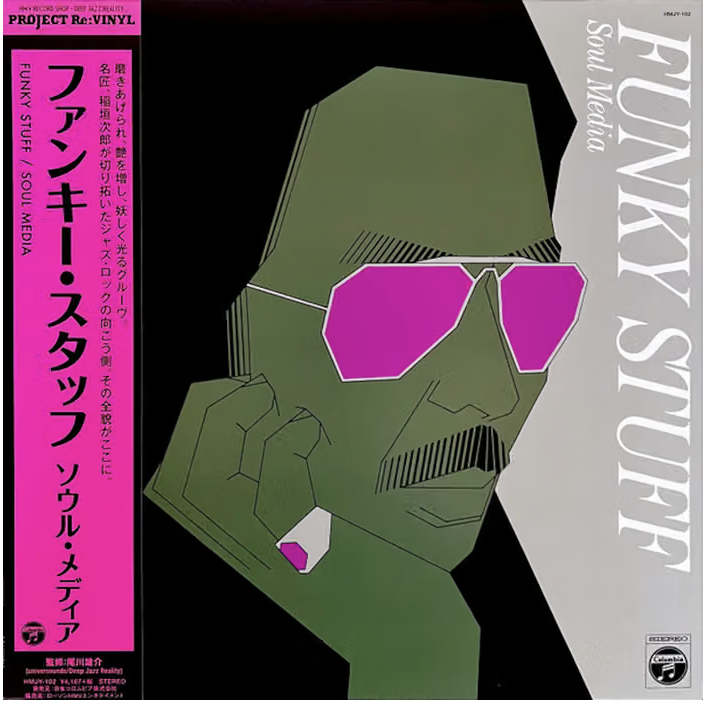
30. ジェントル ウェイヴ (Gentle Wave) — Jiro Inagaki & His Soul Media
Funky Stuff (1975)
Runtime: 5:22
Genre: Japanese Jazz-Funk
Mood: Warm • Floating • Golden-hour
This begins the final movement of the journey
Fender Rhodes, saxophone, and groove in perfect balance. The song feels like sunlight moving across a wooden floor.
31. Resavoir — Resavoir
Resavoir (2019)
Runtime: 5:46
Genre: Spiritual Jazz • Ambient Jazz
Mood: Spacious • Curious • Peaceful
Another track that leaves room for thought. Nothing is forced, and that openness becomes its own form of generosity.
32. People of the Moon — Nu Genea
People of the Moon (2026)
Runtime: 3:10
Genre: Italo Disco • Nu-Disco • World Funk
Mood: Joyful • Cosmic • Dancing
A song about looking at the stars while continuing to dance. Hope arrives here not as certainty but as movement.
Lyrics:
S-O-S-O-S-O
S-O-S-O-S-O
S-O-S-O-S-O
S-O-S-O-S-O
S-O-S-O-S-O
S-O-S-O-S-O
S-O-S-O-S-O
S-O-S-O-S-O
Look at the sky, the moon has arrived
There is a star and I make a wish
When I look into the starry sky
I always wonder who's up there
People, people, pe-people of the moon
People, people, pe-people of the moon
People, pe-people of the moon
People, people, people from the stars
Take me there
When, oh-oh-oh, when?
Oh-oh-oh, uuh-uuh-uu
hOh-oh-oh, uuh-uuh-uuh
When? I'm waiting
Oh-oh-oh, uuh-uuh-uuhOh-oh-oh, uuh-uuh-uuh
While I keep dancing
Run, run, eat and help me out
Take me there, come and help me out,
come and help me out, oh
Let's go
33. Sirens of Summer — Cihangir Eryildiz
Single (2025)
Runtime: 3:49
Genre: Jungle Funk • Breakbeat
Mood: Humid • Restless • Summer-night
Fast drums and warm air. It feels like a city that refuses to go to sleep.
34. Leave My Head Alone Brain — Bugge Wesseltoft & Henrik Schwarz
Single (2024)
Runtime: 8:00
Genre: Electronic Jazz • Minimal House
Mood: Overthinking • Wry • Relieved
After the heat and restless energy of Sirens of Summer, the mind starts talking again. The familiar noise of thoughts, obligations, memories, and everything competing for attention.
The groove turns mental clutter into something almost danceable. There is no need to solve it all. Sometimes the answer is simply to stop listening to the noise and let yourself move.

35. Hizuru (Jazztronik Remix) — Excursions & Hizuru
Single (2024)
Runtime: 4:01
Genre: Jazz House • Nu Jazz
Mood: Rising • Elegant • Optimistic
A beautiful upward motion runs through the remix. It sounds like the first light entering a room.
36. Tidal Wave — Butcher Brown
Solar Music (2023)
Runtime: 3:32
Genre: Jazz Fusion • Funk • Hip-Hop
Mood: Expansive • Rhythmic • Alive
The band plays like a current too strong to resist. Energy surges through every instrument without ever losing control.
37. Twilight Reservation — Tim Love Lee
Love's Labour's Lost (2000)
Runtime: 5:15
Genre: Downtempo • Balearic • Trip-Hop
Mood: Dusk • Nostalgic • Unhurried
This is the sound of evening settling in. The day isn't over yet, but it has already begun to soften around the edges.
38. fitzroy. — fyodor, Talmont & Apero
Single (2025)
Runtime: 3:07
Genre: Lo-Fi House • Deep House
Mood: Nightcap • Content • Wandering
A small, intimate groove that feels lived-in. It carries the quiet companionship of walking through a familiar neighborhood after dark.
39. Otaki — Chaos in the CBD & Finn Rees
A Deeper Life (2025)
Runtime: 5:26
Genre: Deep House • Jazz House
Mood: Breezy • Coastal • Content
Salt air and soft rhythm. The track feels like a long exhale beside the ocean.
40. Stay — Tour-Maubourg
Parages (2024)
Runtime: 6:00
Genre: Deep House • French House • Jazz House
Mood: Tender • Present • Holding-on
After all the movement, this song chooses remaining over escaping. The final dance before the lights come up.
41. Symptom of the Universe — Jazz Sabbath
Jazz Sabbath (2020)
Runtime: 4:38
Genre: Jazz • Hard Bop • Heavy Metal Reimagined
Mood: Playful • Clever • Liberated
The credits roll, but life doesn't end when the music does. Like the best films, the story continues after the screen goes dark.